Why is sugar sometimes added to Beaujolais? The Secret Winemakers Don’t Talk About!
In Beaujolais, some vintages reveal a well-kept secret: the addition of sugar, known as chaptalization. Traditional practice or controversial intervention—why do winemakers sometimes choose this technique? Deep dive into the fascinating history and uncertain future of a method that divides wine enthusiasts.
In the rolling hills of Beaujolais, winemakers have long navigated the challenges of climate, tradition, and evolving consumer tastes. While Beaujolais wines are celebrated for their vibrant fruitiness and approachable style, the region has occasionally turned to a lesser-known winemaking technique: chaptalization.
What is chaptalization?
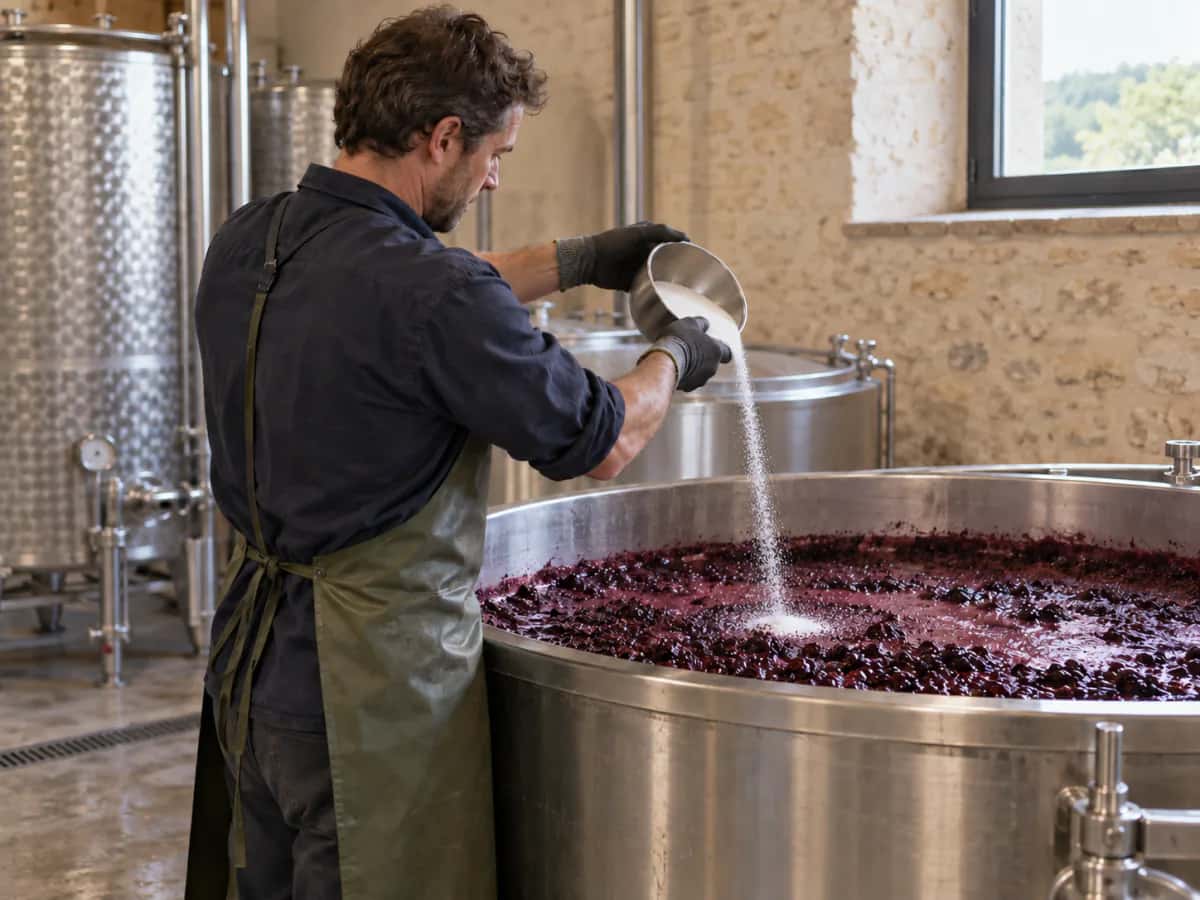
Chaptalization, named after French chemist Jean-Antoine Chaptal, is a winemaking technique that involves adding sugar to grape must before or during fermentation. The added sugar does not make the wine sweet but increases its alcohol content by feeding the yeast during fermentation.
This practice was originally designed to help wines from cooler climates achieve a fuller body and richer profile, especially in years when grapes could not reach ideal ripeness due to insufficient sunshine. In regions like Beaujolais, where traditional methods and cool weather often limited grape maturity, chaptalization became an important tool to balance acidity, structure, and alcohol in the final product.
A historical relationship: chaptalization and Beaujolais
Beaujolais, particularly known for its Gamay grape, has a unique relationship with chaptalization.
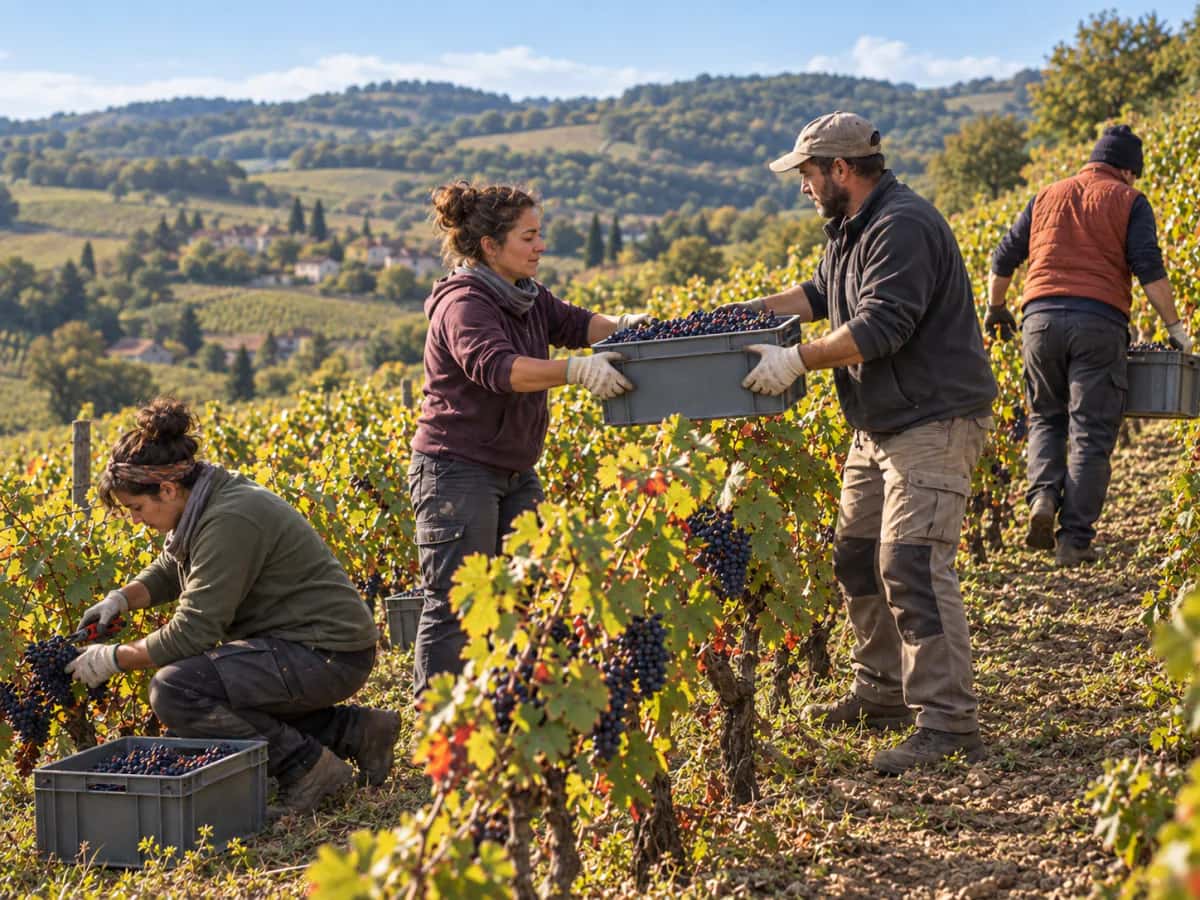
Historically, Beaujolais faced cooler, less predictable weather, resulting in grapes with lower natural sugar levels.
Adding sugar to the fermenting grape must allowed winemakers to enhance alcohol levels, creating a fuller-bodied wine that was both more robust and preserved longer.
The practice became especially common in the 1970s and 1980s, as the Beaujolais Nouveau—an early-drinking, youthful style of wine—grew in popularity. Producers sought to create a consistent product each year, and chaptalization was a key method to achieve that. Yet, as demand grew, some critics felt that chaptalization compromised the authenticity of Beaujolais, with some winemakers using it routinely, even in less challenging years.
The 2008 sugar scandal: a turning point for Beaujolais
In 2008, a major sugar trafficking scandal rocked Beaujolais, shaking the region’s winemaking community.
Following unusually rainy and cool years in 2004 and 2005, a network of over a hundred Beaujolais producers was discovered to have purchased unauthorized sugar to raise the alcohol levels in their wines. This use of sugar went far beyond legal limits, resulting in an estimated 600 tons of unregulated sugar sales in the region.
Investigators from the French fraud office found that certain supermarkets were selling sugar off the books, without invoices, allowing producers to buy it discreetly. Over time, authorities identified transporters and others involved in the scheme, leading to a string of interrogations and arrests.
Despite the legal acceptance of chaptalization in France, these actions violated regulatory guidelines, putting the entire Beaujolais region under scrutiny.
The scandal had significant repercussions. Bruno Mattray, head of the Union Viticole, expressed frustration, noting that while only a small fraction of winemakers were implicated, the entire region suffered reputational damage.
The impact of climate change: reducing the need for chaptalization
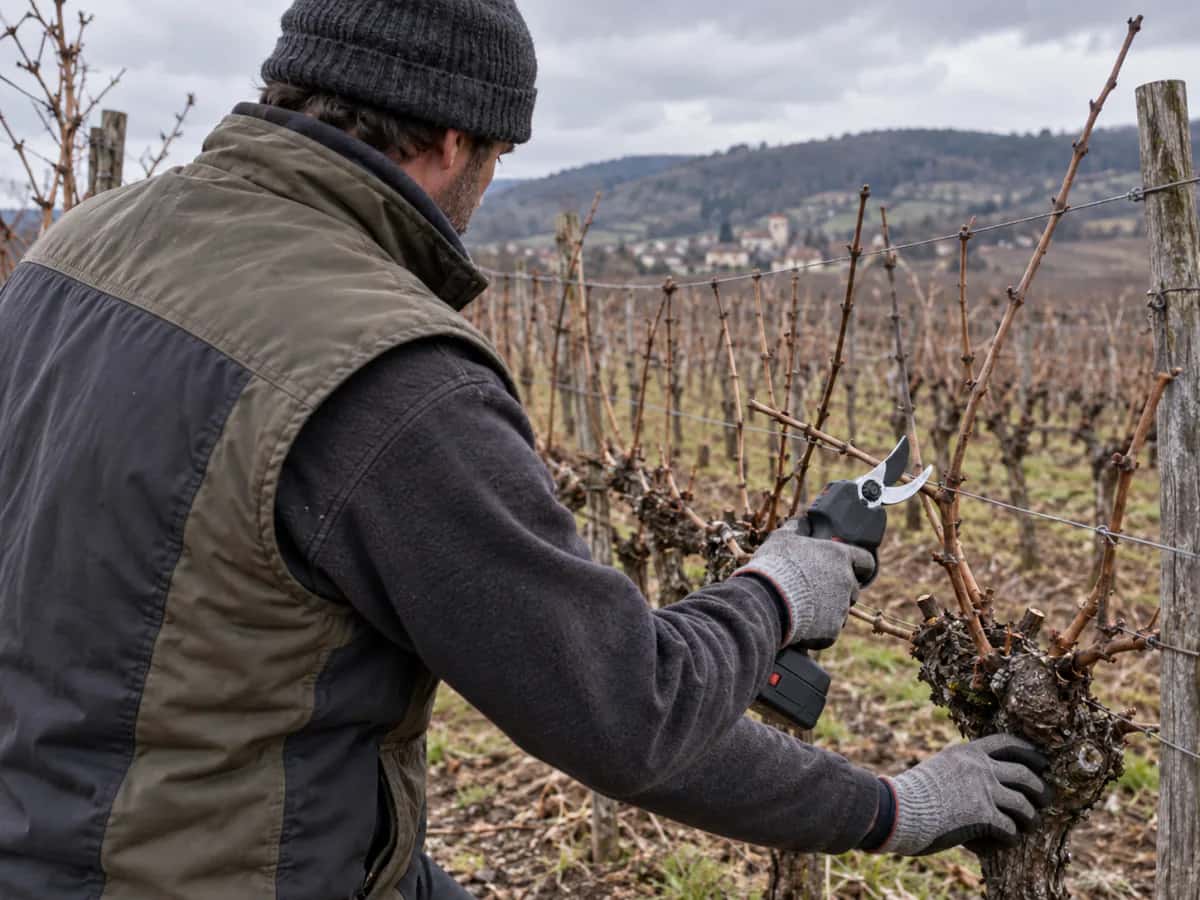
In recent years, climate change has altered the grape-growing landscape in Beaujolais, with warmer summers and longer growing seasons enabling grapes to achieve higher natural sugar levels.
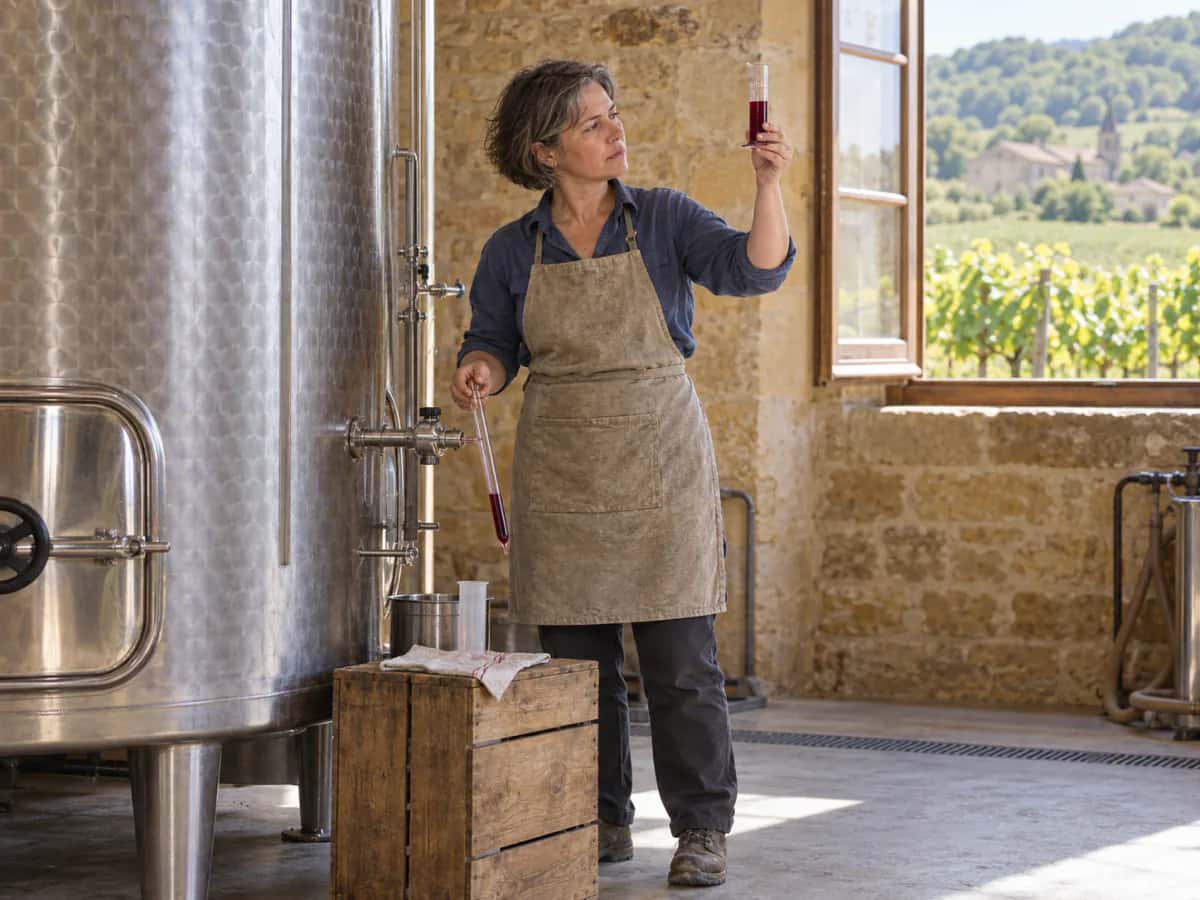
As a result, many producers now reach desired alcohol levels naturally, reducing the need for chaptalization. Beaujolais crus like Morgon, Fleurie, and Moulin-à-Vent, known for their fuller-bodied styles, now often exceed 13% alcohol by volume without added sugar.
For today’s generation of Beaujolais winemakers, this shift allows them to produce wines that more closely reflect the character of the terroir.
Chaptalization is increasingly seen as an unnecessary intervention, with some winemakers forgoing it entirely in favor of more transparent winemaking practices. This trend aligns with consumer preferences for natural wines, a movement that values minimal intervention and greater authenticity.
Chaptalization has been central to Beaujolais winemaking, helping vintners maintain quality even in challenging years. Yet, as climate change brings warmer vintages and consumers increasingly seek wines with minimal intervention, the practice is on the decline. While it remains an option for particularly difficult years, many producers are focusing on more authentic, terroir-driven wines, letting the natural elements speak for themselves.
This evolution reflects Beaujolais’s journey from a region shaped by necessity to one driven by choice, and by a desire for authenticity. As winemakers continue to embrace natural methods and climate conditions shift, chaptalization may one day become a relic of the past, remembered as an essential part of Beaujolais’s history but no longer part of its future.
Explore more Wine-Making Traditions stories and the complete About guide.