
Beaujolais Nouveau Day: uncorking a wine, uniting the world
What makes this wine so special, and why is it released on exactly the same day each year? Discover the fascinating story behind Beaujolais Nouveau and the myths that surround it.
One day, a whole region in motion
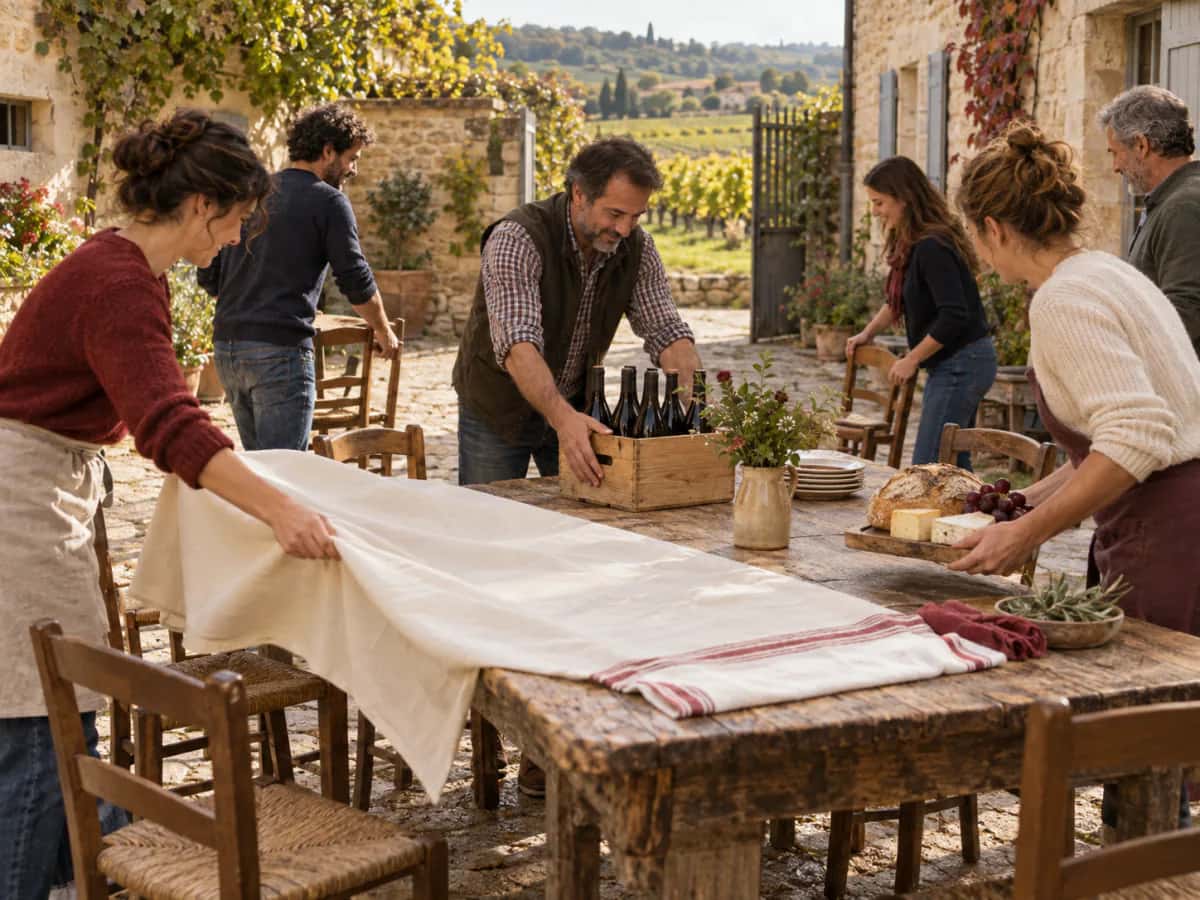
The first wine of the harvest arrives every third Thursday of November, turning a young Gamay into a worldwide Beaujolais celebration.
Read the essential guide ↓Find a Beaujolais table for the first glass and a proper meal.
Browse the bistrots →Beaujolais Nouveau is the first wine released from the year’s harvest. It is made predominantly from Gamay grapes grown within the Beaujolais and Beaujolais-Villages appellations, then bottled only weeks after picking. The result is deliberately youthful: bright fruit, supple texture and immediate pleasure rather than long ageing.
The word nouveau describes the wine’s timing, not a separate appellation. Quality and character still depend on the fruit, the grower and the care taken in the cellar.
The official release begins on the third Thursday of November. The exact date changes every year and appears at the top of this guide. Bottles cannot be sold as Beaujolais Nouveau before the release begins, which is why the same date anchors celebrations in France and around the world.
In Beaujolais itself, the days around release bring cellar tastings, dinners, music and village gatherings. The event is festive, but the most useful way to approach it is still as a first look at the new vintage.
Carbonic and semi-carbonic maceration are closely associated with Beaujolais Nouveau. Whole bunches of grapes begin fermenting in a low-oxygen environment, helping preserve vivid fruit and keeping tannins soft. A short production cycle then allows the wine to be pressed, finished and bottled soon after harvest.
Speed should not be confused with carelessness. Healthy fruit, clean winemaking and precise fermentation matter enormously when there is little time for faults to soften or disappear.
Expect a light- to medium-bodied red with energetic acidity, low tannin and aromas led by fresh red fruit. Strawberry, raspberry, cherry and violet are common reference points. Some wines show the familiar banana or confectionery notes associated with particular fermentation yeasts; others are more restrained, peppery or floral.
The best examples feel juicy and clear rather than sweet or heavy. They are designed to be enjoyed for freshness, not judged as miniature versions of the region’s age-worthy crus.
Serve it lightly chilled, around 12-14°C, and open it for the table rather than the cellar. Charcuterie, roast poultry, soft cheeses and convivial dishes suit its fresh profile.
Use an ordinary wine glass rather than a tiny tasting glass. A short spell in the refrigerator is usually enough; serving it ice-cold will mute the fruit. Most bottles are at their best during the months following release, although a thoughtful producer’s wine can remain enjoyable beyond the first winter.
Villages, cellars and bistrots across the region mark the release with tastings and shared meals. Plans change from one vintage to the next, so use our current Beaujolais Nouveau stories for confirmed programmes and practical details.
If you prefer a quieter first glass, choose a local bistrot, ask which producer is being poured and taste the wine alongside food. It is often the clearest way to understand what the annual celebration is really about: a harvest becoming wine, and a region sharing the result.
Current release news, tasting advice and celebrations across Beaujolais.
What makes this wine so special, and why is it released on exactly the same day each year? Discover the fascinating story behind Beaujolais Nouveau and the myths that surround it.
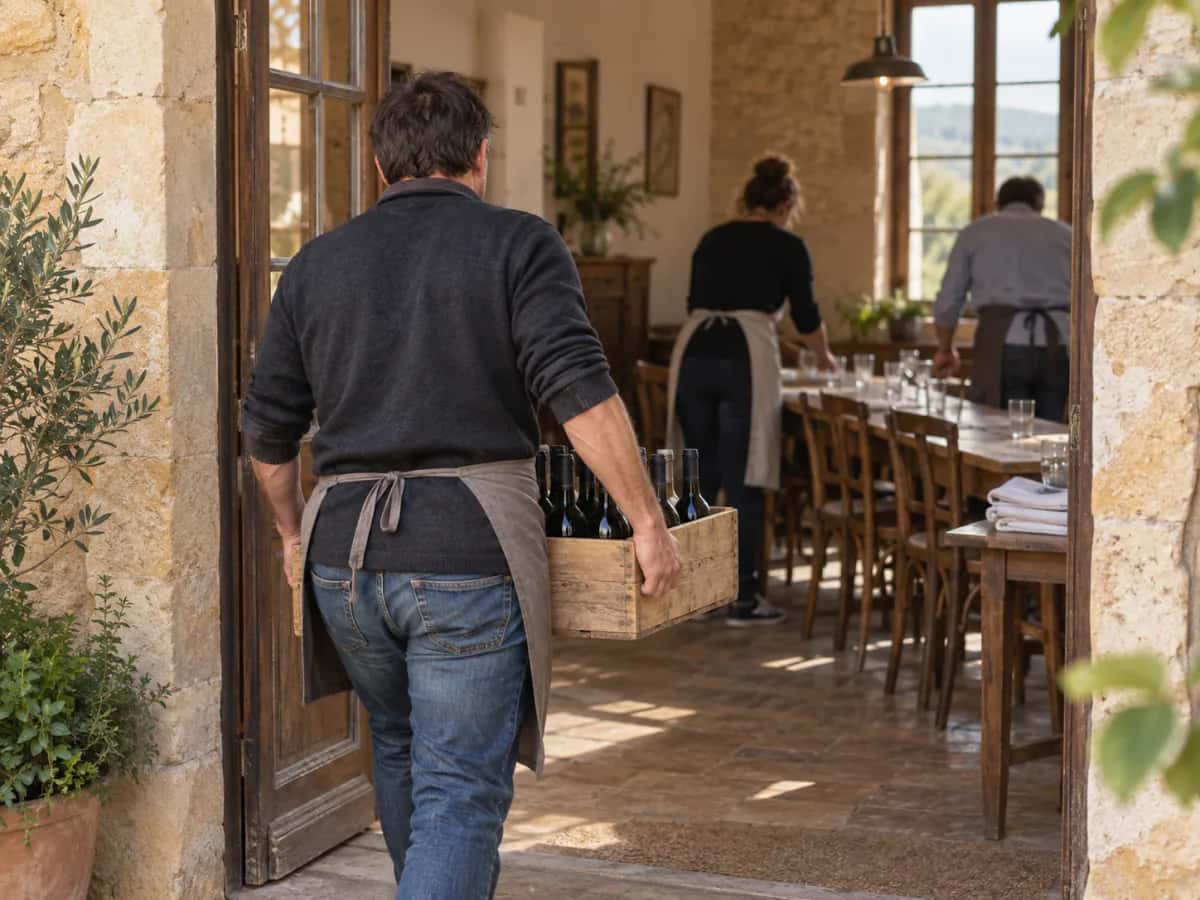
Mark your calendars: Beaujolais Nouveau 2024 arrives on November 21st!