
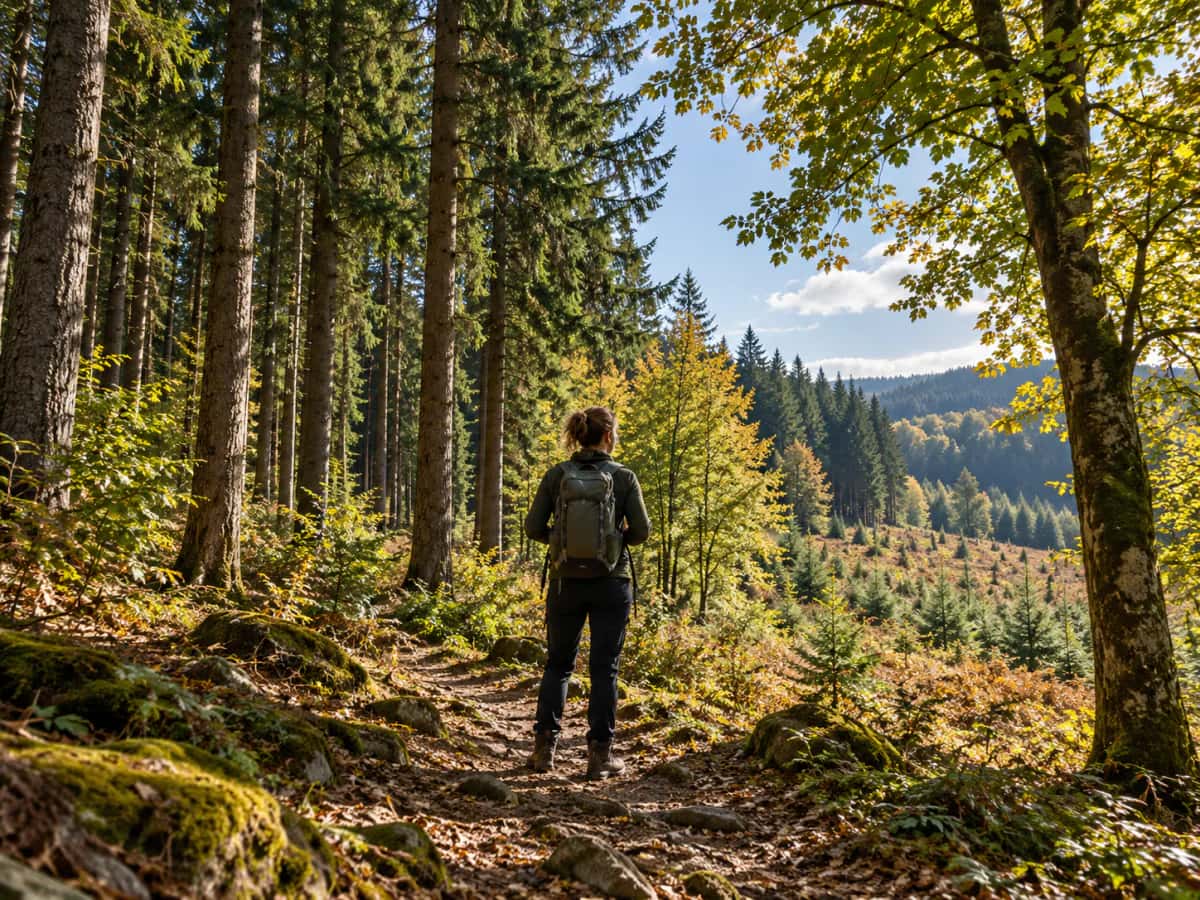
At Col de Crie, a forest 200 years in the making
Explore the forest shaped by planting in the Haut-Beaujolais, its timber history, and the Vert Horizon exhibition and family activities at Col de Crie in autumn 2026.
The Widest Spread of the Appellations
A treat of a wine that’s ideal for any occasion, Beaujolais is as generous with the nose as with the palate. Beaujolais Nouveau, a subdivision of the Beaujolais appellation, gave rise to the entire region’s reputation for producing exciting wines. Offering an inimitable explosion fruit flavors, Beaujolais wines are lively, youthful and easy to drink.
The Beaujolais appellation is the widest spread of the region, covering about 24 square miles in the south and east. The vines grow in limestone-clay and granitic soils over 72 villages. Like every red and rosé produced in the region, wines from the Beaujolais appellation are made of the Gamay grape, with the exception of white Beaujolais, which is made of Chardonnay.
Since 1937, 1,800 vine growers have produced an average of 41 million bottles a year. Roughly 65 percent of Beaujolais Nouveau comes from this appellation, the remainder coming from the Beaujolais Villages area.
The golden stones, or pierres dorées, found in southern Beaujolais represent the region’s cradle. The soil here dates back millions of years to the Mesozoic period.
Keep reading the atlas
Explore the forest shaped by planting in the Haut-Beaujolais, its timber history, and the Vert Horizon exhibition and family activities at Col de Crie in autumn 2026.
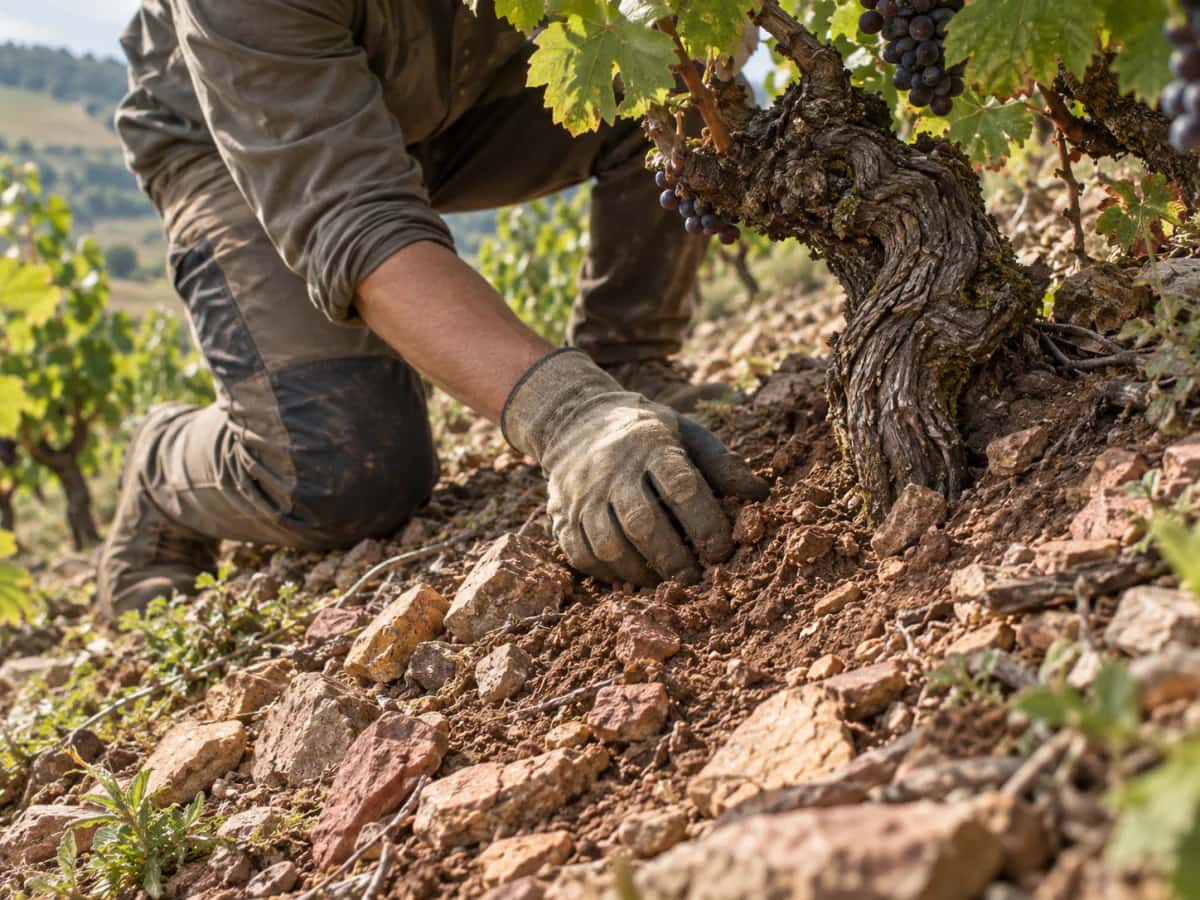
Why California winemaker Jonathan Pey chose old vines and high slopes in Morgon and Fleurie—and why altitude is no climate guarantee.
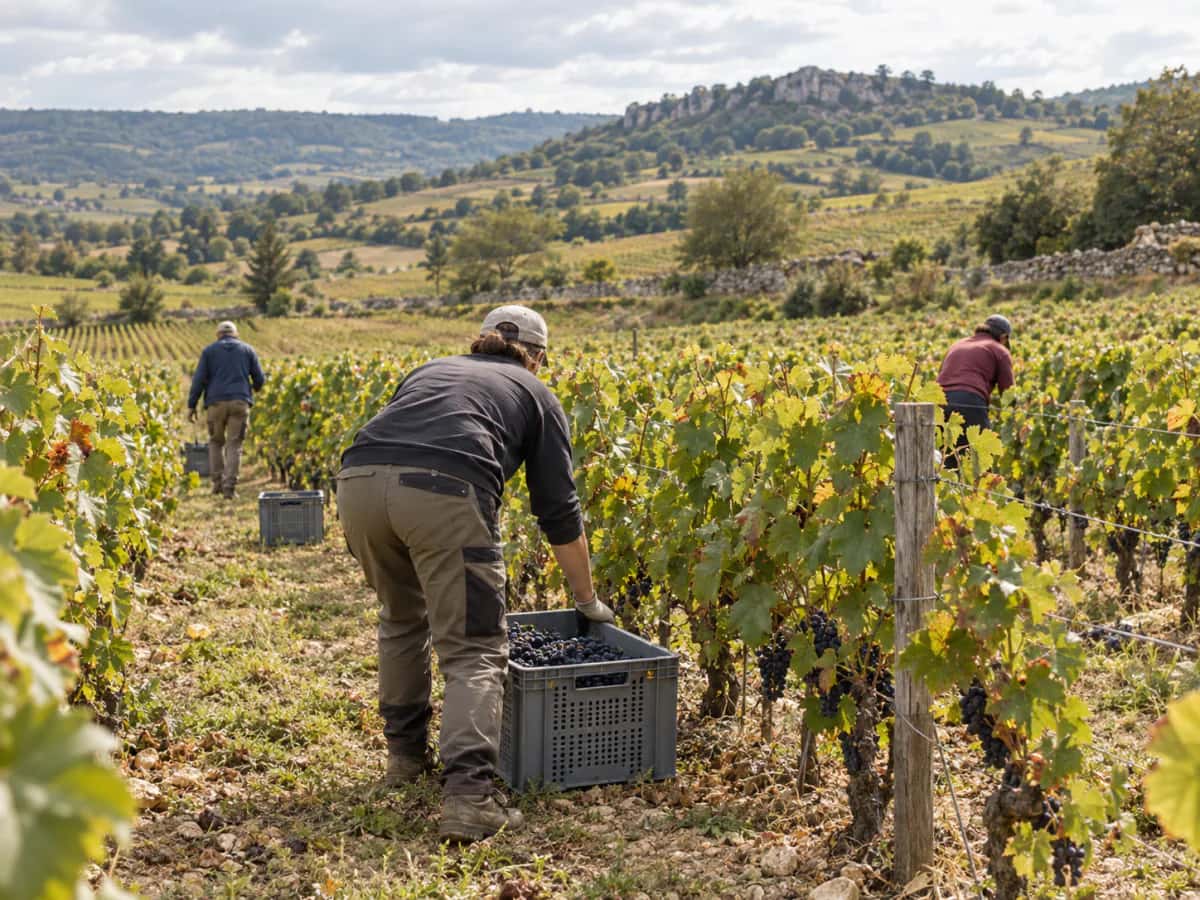
The 33% harvest fall forecast for 2026 covers Burgundy and Beaujolais together. Understand the figures, the limits and what to ask before a cellar visit.