What do French people drink?
From fine wines to anise-flavored pastis, discover how the French elevate every sip into a celebration of culture and connection. Dive into the diverse drinks that define the art of French living.
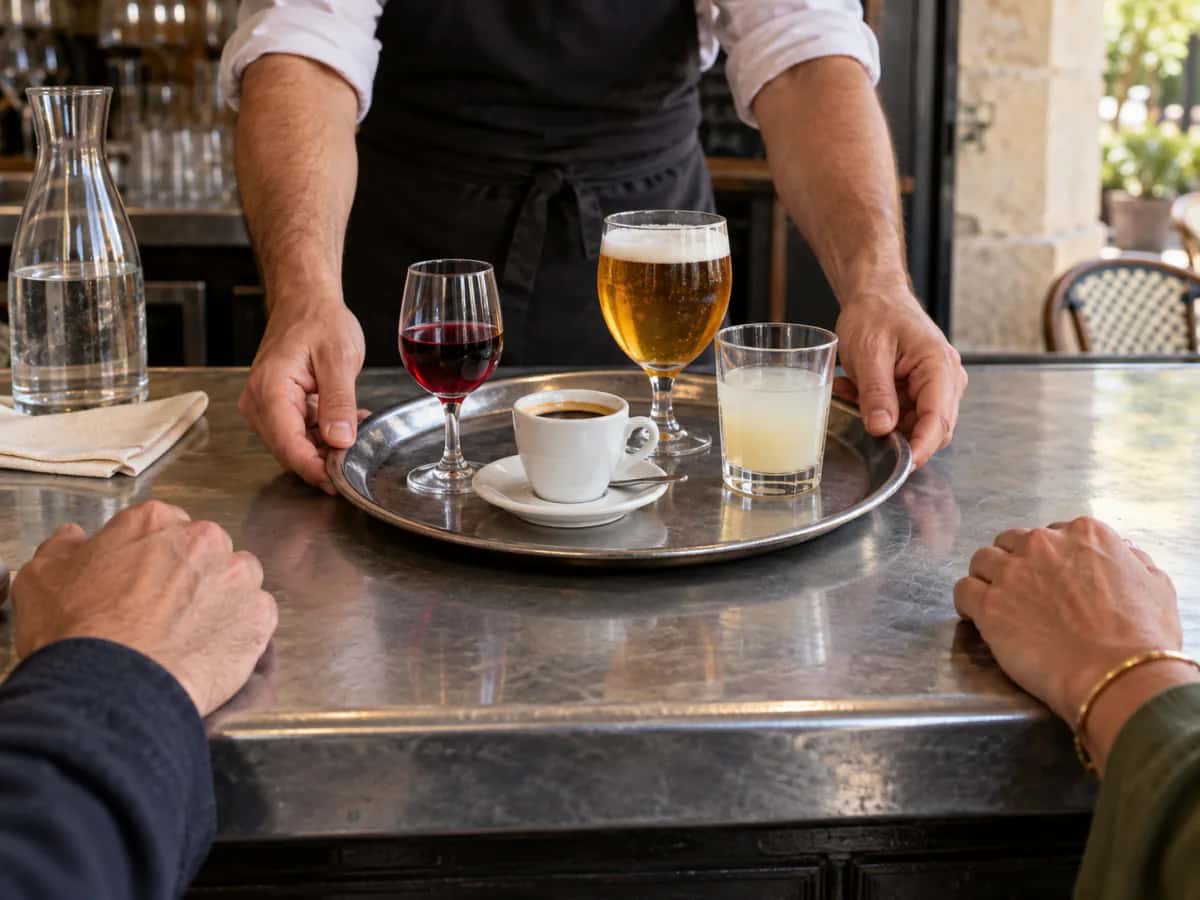
In France, drinking is more than a daily ritual—it’s a celebration of culture, community, and regional pride. Whether it’s a glass of wine paired with a hearty meal, an espresso shared at a bustling café, or a refreshing beer on a summer evening, each drink carries a story. But what do the French drink most, and why?
Let’s explore the iconic beverages that define French life, from timeless classics to modern trends.
Wine: more than a drink, a way of life 🍷
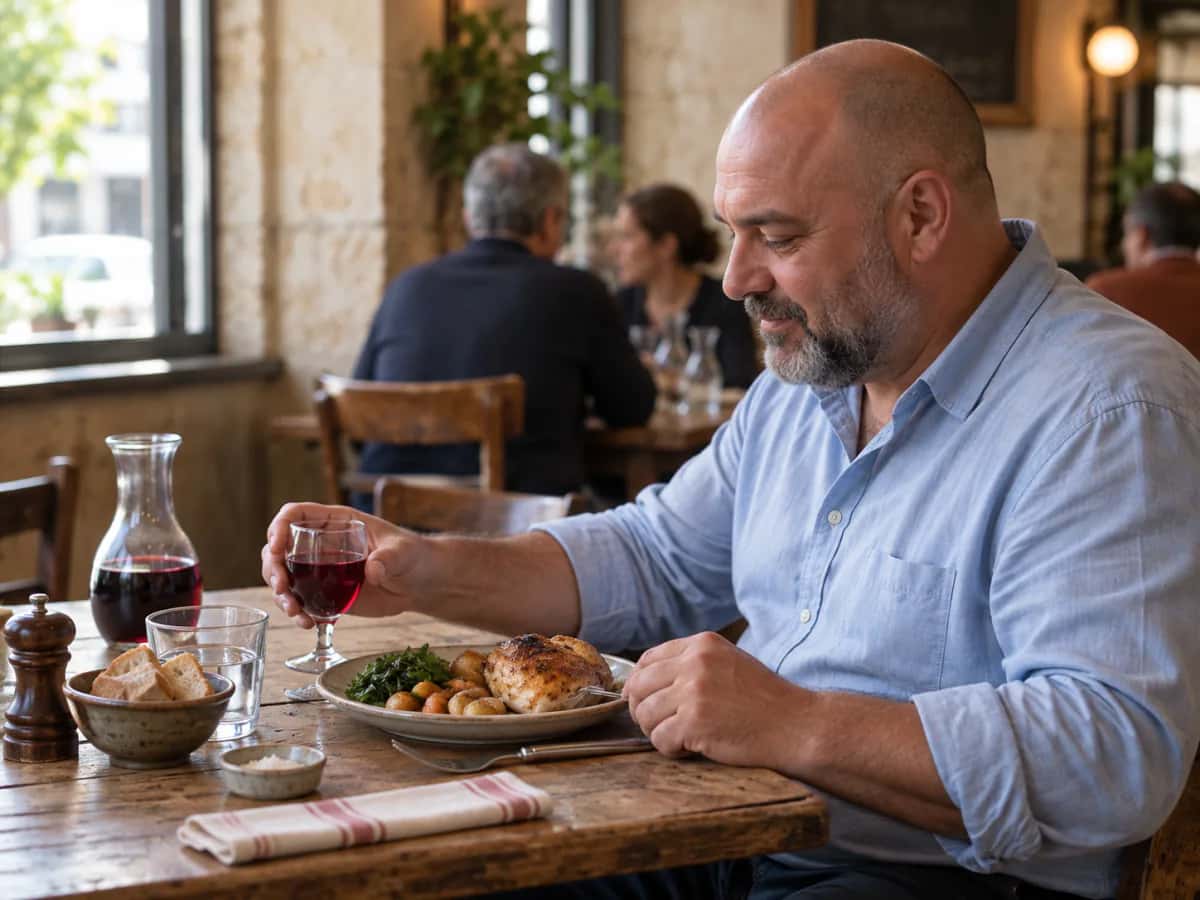
Wine is at the heart of French drinking culture, transcending generations and regions. It’s not just a beverage but a way of life, closely tied to meals and celebrations.
Daily table wines are a staple, chosen for their ability to enhance food rather than for their prestige. In Provence, Rosé dominates summer tables, while in cooler regions like Alsace, aromatic whites such as Riesling and Pinot gris pair beautifully with traditional dishes.
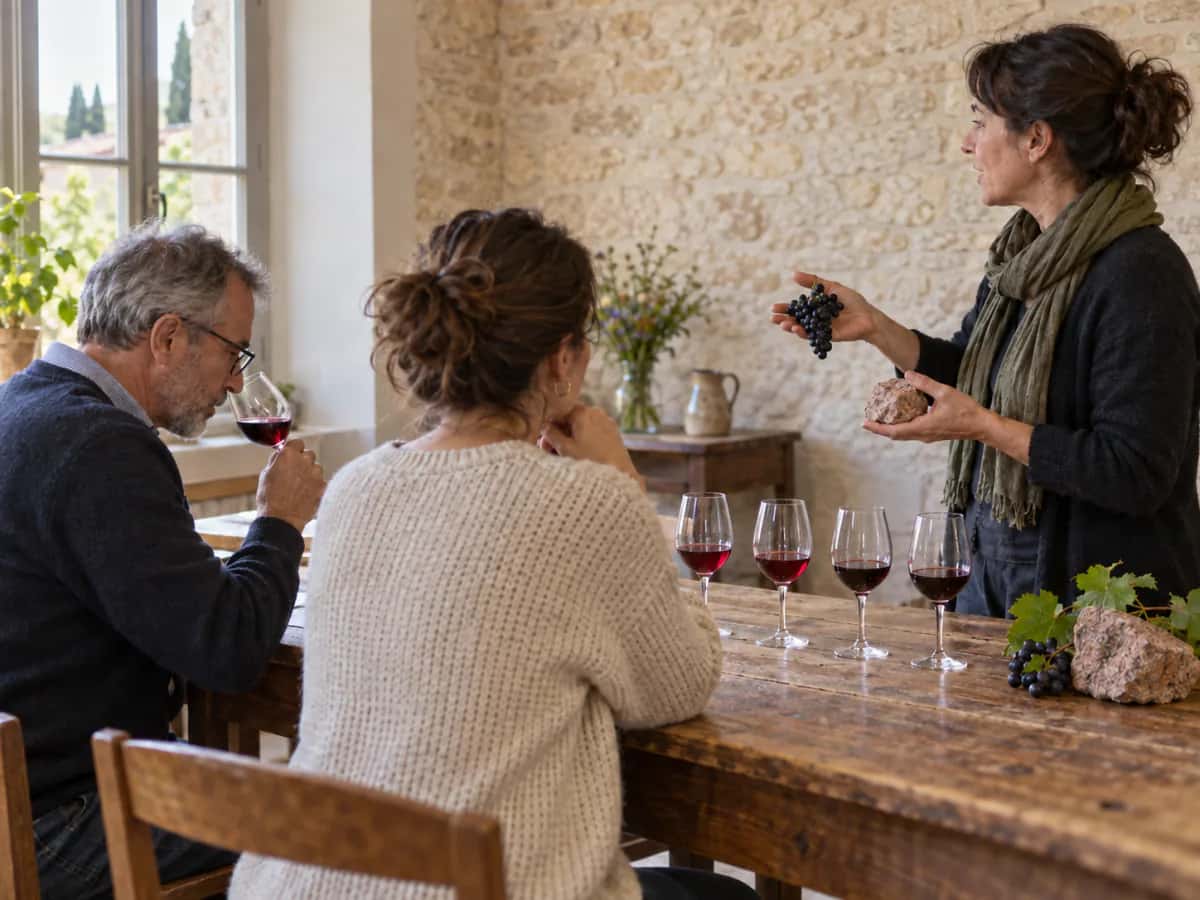
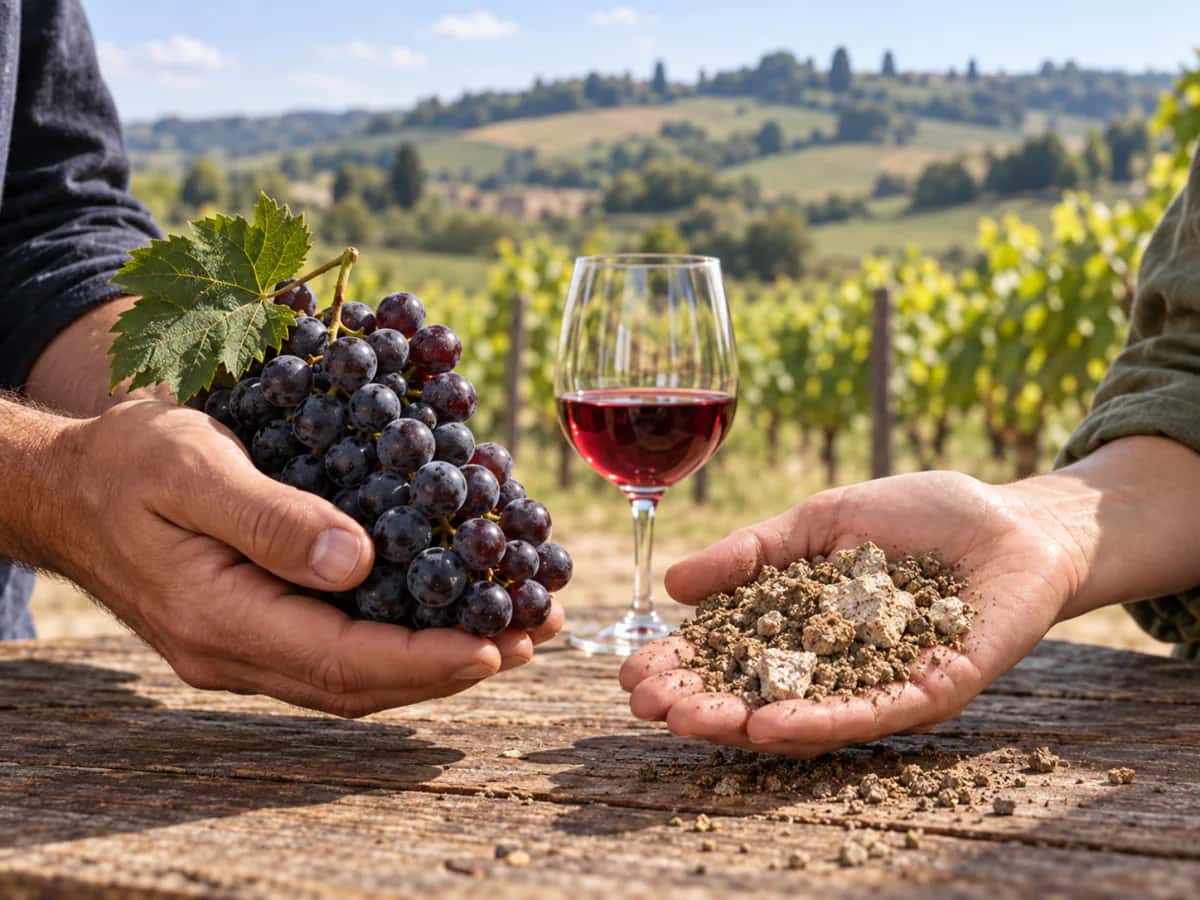
Regional specialties showcase the diversity of French terroirs.
Burgundy offers refined Pinot noirs and Chardonnays, while Bordeaux is renowned for its powerful blends of Cabernet Sauvignon and Merlot.
Beaujolais, often misunderstood, quietly makes its way into French homes. Many people enjoy its crus, like Morgon or Fleurie, without realizing their origin, as labels often highlight the cru name rather than "Beaujolais."
Champagne, synonymous with celebration, remains the star of festive occasions. However, sparkling alternatives such as Crémant from Alsace or the Loire Valley are becoming increasingly popular, offering quality at a more accessible price.
Beer: refreshing and increasingly popular 🍻
Although France is traditionally seen as a wine country, beer is steadily carving out its place, especially among younger generations. Craft breweries are flourishing, producing everything from bold IPAs to fruity saisons, reflecting a growing demand for innovative flavors.
In the northern regions, particularly near the Belgian border, traditional styles like bière de garde have long been part of the local culture. These malty farmhouse ales pair wonderfully with hearty dishes like carbonnade flamande. While craft and regional beers grow in popularity, classic brands such as Kronenbourg and 1664 remain staples in bars and casual dining settings across the country.
Spirits and aperitifs: moments of connection
Aperitifs and digestifs are integral to French dining, bookending meals with a sense of conviviality and relaxation.
In the south, Pastis reigns supreme, with its distinctive anise flavor and ritualistic preparation. Elsewhere, Kir —a blend of white wine and crème de cassis—offers a simpler yet elegant option, while bittersweet drinks like Lillet and Suze are enjoying a resurgence among younger drinkers.
For digestifs, brandies like Cognac and Armagnac are classic choices, sipped slowly to end a meal. In Normandy, Calvados, an apple-based spirit, is particularly beloved, often served after desserts like tarte tatin or as part of a "trou normand," a small drink taken between courses to aid digestion.
Coffee: a sacred ritual ☕
Coffee is more than a drink in France—it’s a cultural cornerstone. Espresso is the most common choice, enjoyed black and strong, whether standing at a café counter or seated on a sunlit terrace. In the morning, café crème, similar to a latte, is often paired with a croissant or a pain au chocolat.
Unlike in some countries, coffee is rarely consumed alongside meals in France. Instead, it’s savored afterward, often marking the conclusion of a dining experience. This post-meal espresso is as much about the ritual as it is about the flavor.
Mineral water: simple sophistication 💧
Mineral water holds a unique place in French dining culture, often served alongside meals to cleanse the palate or accompany wine. Brands like Evian, Perrier, and Vichy are household names, each offering distinct characteristics.
Sparkling water, in particular, is a popular choice at restaurants, adding a touch of elegance to the dining experience.
In some regions, mineral water carries historical significance. Vichy, for instance, is famous not only for its water but also for its heritage as a spa destination. This connection between water and well-being remains an understated but important part of French culture.
Juices and non-alcoholic options 🍊
While alcoholic beverages dominate, non-alcoholic options have their place in French life. Fruit juices, particularly orange and apple, are staples at breakfast tables, especially for families. Flavored syrups mixed with water, such as grenadine, mint, or lemon, are popular with children and often evoke nostalgia for adults.
Tea, though less prominent than coffee, has its followers, particularly herbal varieties like chamomile and verbena. These infusions are often enjoyed in the evening, valued for their calming qualities.
Seasonal and regional highlights
Certain beverages are deeply tied to specific seasons or regions. In Normandy and Brittany, Cider and Poiré (pear cider) are traditional accompaniments to crêpes and galettes, reflecting the abundance of orchards in these areas.
During winter, hot mulled wine, infused with spices and citrus, becomes a staple at Christmas markets.
Summertime brings its own favorites. In Provence, Rosé is an essential companion to long, leisurely meals in the sun, while Pastis, with its refreshing anise flavor, is a quintessential drink for a game of pétanque under the plane trees.
Drinking habits in France reflect the heart of the nation’s culture: balance, tradition, and a celebration of life’s pleasures.
Whether it’s a glass of wine shared with friends, a coffee enjoyed at a café, or a pastis sipped in the shade, every drink tells a story of connection and joy.
To drink like the French is to embrace the art of living.
Explore more Understanding Wine Labels stories and the complete Wine Education guide.