How the French drink Beaujolais without even realizing it !
Did you know that many French people unknowingly enjoy Beaujolais without recognizing its true origins?

When thinking about French wines, iconic regions like Bordeaux or Burgundy often come to mind. But Beaujolais? For many French people, it’s a well-kept secret—even from themselves!
The truth is, the French often drink Beaujolais without realizing it, due to a lack of awareness about the region’s diversity and its many crus (top-tier vineyards).
Let’s uncover why this happens and how Beaujolais quietly finds its place on French tables.
The misunderstanding of Beaujolais
For many French consumers, "Beaujolais" often conjures up one image: Beaujolais Nouveau, the light, fruity wine released every November. This association, while deservedly famous, has led to a misconception.
Beaujolais nouveau’s shadow
Since Beaujolais nouveau dominates marketing campaigns, many French people equate the entire region with this young, easy-drinking wine. They remain unaware of the more structured, complex wines from the crus of Beaujolais.
Confusion with Burgundy
Geographically and administratively, Beaujolais is sometimes grouped with Burgundy. As a result, some French drinkers might enjoy a wine from a Beaujolais cru without realizing its true origin, thinking it’s simply "Burgundy".
Beaujolais crus: hidden gems in plain sight
Beaujolais is home to 10 crus, each with its own unique style and character. These wines often end up on French tables under different guises.
Morgon, Fleurie, and Moulin-à-vent
These are the most famous crus and frequently appear on restaurant wine lists. Yet, many diners don’t recognize them as "Beaujolais" because the labels prioritize the cru name rather than the region.
Affordable and accessible
Unlike prestigious Bordeaux or Burgundy wines, Beaujolais crus are often affordable and approachable. This makes them a go-to choice for everyday drinking or pairing with food.
Why the French don’t know they’re drinking Beaujolais (3 reasons)
The anonymity of Beaujolais in French drinking culture stems from several factors.
1. Labeling practices
Producers of Beaujolais cru wines emphasize the cru name over the Beaujolais appellation. A bottle of Fleurie or Saint-Amour may not explicitly mention "Beaujolais" on the front label, confusing consumers.
2. Versatility with food
Beaujolais wines, especially the lighter crus, are perfect for pairing with traditional French dishes. As a result, they often show up in bistros and brasseries where diners might not pay much attention to the wine’s origin.
3. Strong local consumption
In the Rhône-Alpes region, where Beaujolais is produced, the locals drink it extensively. For them, it's a regional staple, not necessarily recognized as a separate identity.
French drinking habits: the quiet presence of Beaujolais
Even without explicit recognition, Beaujolais seamlessly integrates into French life:
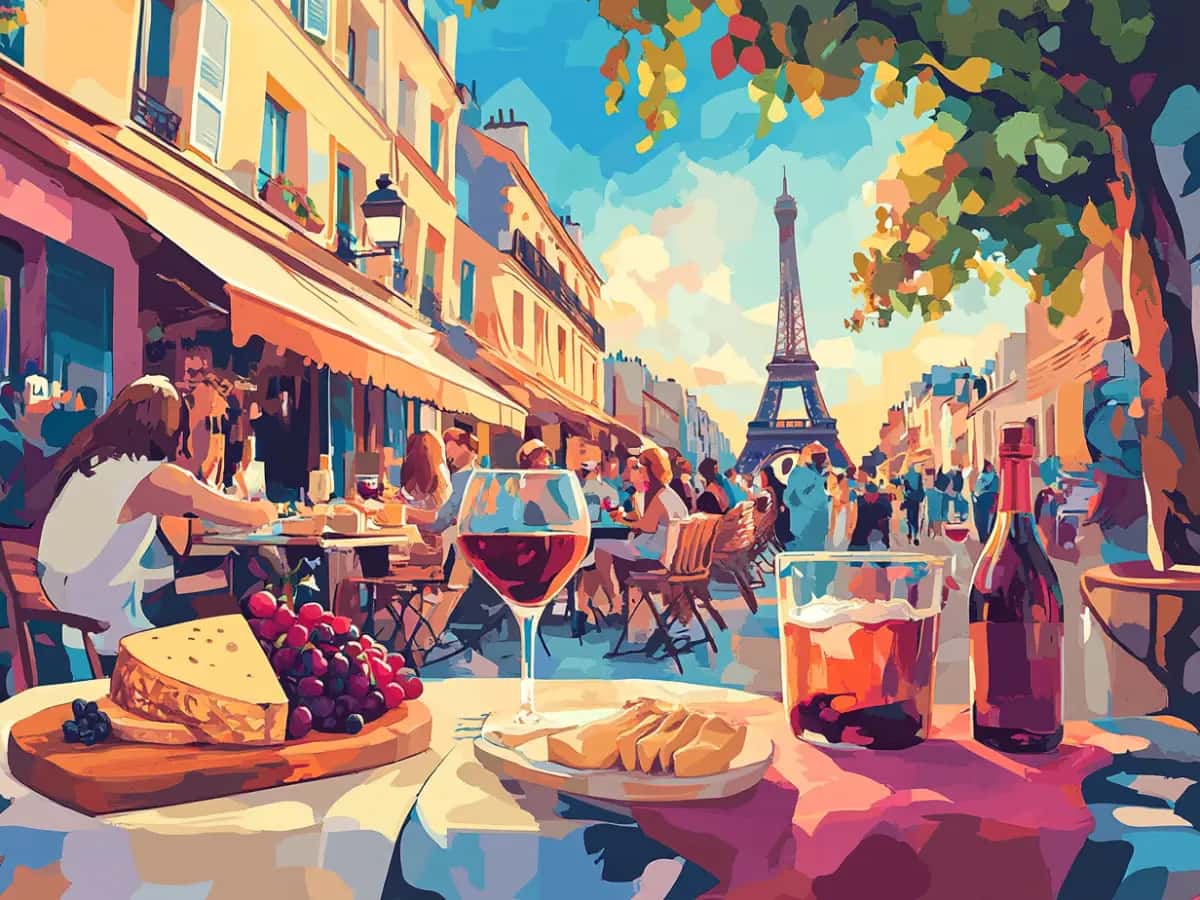
- In bistros and cafés: many "house wines" (vin de maison) served in carafes are Beaujolais, thanks to its affordability and drinkability.
- Everyday meals: the lighter style of Beaujolais wines makes them an easy match for dishes like roast chicken, charcuterie, or cheese —classic staples of French cuisine.
- Festive occasions: Beaujolais Nouveau celebrations each November bring the region into the spotlight, even if only briefly.
Changing perspectives: educating the French on Beaujolais
In recent years, efforts have been made to shine a light on Beaujolais beyond its nouveau reputation.
Sommelier advocacy
Sommeliers are increasingly introducing Beaujolais cru wines to diners, highlighting their quality and value.
Wine tourism
The beautiful vineyards of Beaujolais and its picturesque villages, like Oingt and Villié-Morgon, are becoming tourist destinations, raising awareness of the region’s diversity.
Natural wine movement
Beaujolais is at the forefront of natural wine production, with winemakers like Marcel Lapierre and Jean Foillard gaining international acclaim. This trend is also influencing French perceptions of Beaujolais as a region for serious wines.
The French may unknowingly drink Beaujolais, but it remains a subtle yet integral part of their wine culture. Whether it’s a Fleurie at a dinner party or a simple glass of Morgon at a bistro, Beaujolais quietly holds its place in French life.
As awareness grows about the region’s depth and diversity, perhaps more French drinkers will realize that their "new favorite wine" has been Beaujolais all along.
Explore more Understanding Wine Labels stories and the complete Wine Education guide.