How to explore Beaujolais like a local (not a wine tourist)
Most wine regions in France can feel intimidating. Beaujolais does the opposite—it invites you in, pours you a glass, and starts a conversation.
Commercial disclosure: this guide was produced with a partner. The collaboration is labelled, and editorial accuracy remains our responsibility.
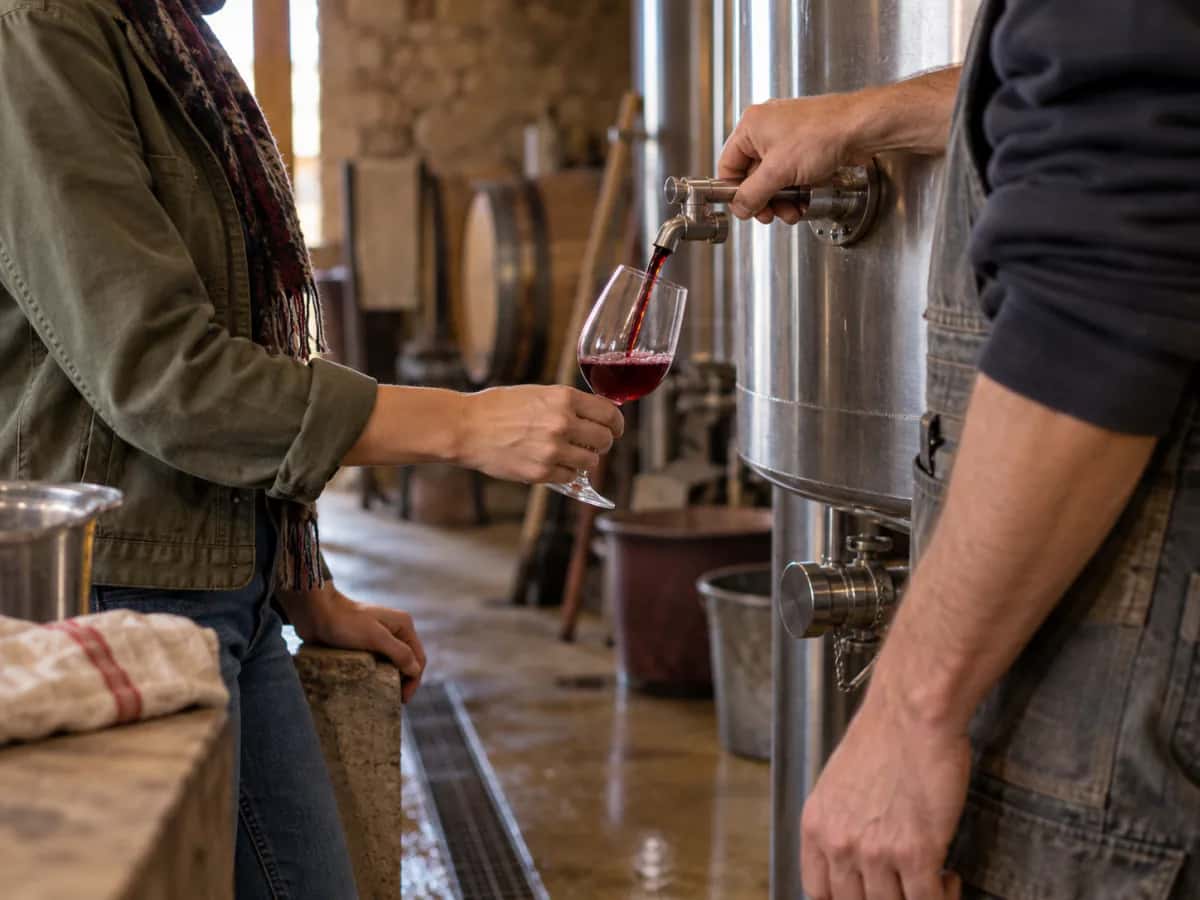
You’re standing in a cold cellar in Morgon. The winemaker pulls wine straight from the tank, hands you a glass, and shrugs:
“It’s not finished—but you should taste it.”
No script. No marketing speech. Just wine, in the middle of its transformation. That’s Beaujolais.
If you’re planning your first trip to visit a French vineyard, this is one of the rare regions where things still feel spontaneous, human, and refreshingly unpolished.
But to really get it—you need to approach it differently.
Beaujolais isn’t a “wine park”
Let’s get one thing clear: Beaujolais is not Napa. It’s not even Burgundy.
There are:
- Few grand tasting rooms
- Almost no staged experiences
- Very little “wine tourism infrastructure” in the polished sense
And that’s exactly the point.
What you get instead:
- Winemakers who answer their own phone
- Cellars that double as garages
- Tastings that turn into conversations
If you come expecting a curated experience, you might be surprised. If you come curious, you’ll be rewarded.
The best time to visit Beaujolais (and why it matters more here)
Timing in Beaujolais isn’t just about weather—it changes the energy of the region.
Late spring (May–June): balance
- Active vineyards, but calm atmosphere
- Winemakers more available
- Ideal for first-time visitors
Harvest (September): raw and real
- You’ll hear tractors at dawn
- Smell fermentation everywhere
- Some producers may be too busy—but others will let you witness everything
November: the misunderstood moment
This is when Beaujolais Nouveau is released—but locals celebrate something deeper.
- Events like Les Sarmentelles in Beaujeu
- A festive, almost chaotic energy
- A reminder that Beaujolais is as much about people as wine
If you’re searching for the best time to visit Beaujolais, the answer depends on whether you want calm exploration or full immersion.
What a vineyard visit really looks like
Forget the idea of a standardized tour.
A real Beaujolais visit might be:
- 20 minutes… or 2 hours
- Highly technical… or purely conversational
- Planned… or completely improvised
You might taste:
- Wines straight from the barrel
- Multiple vintages side by side
- Bottles not even released yet
If you need a clearer idea of how to prepare, this guide on how to visit a French vineyard covers the basics—but expect Beaujolais to be less formal than most regions.
A smarter 2–3 day itinerary (less obvious, more meaningful)
Most guides tell you to “see the crus”. That’s not wrong—but it’s incomplete.
Day 1: ease into the region
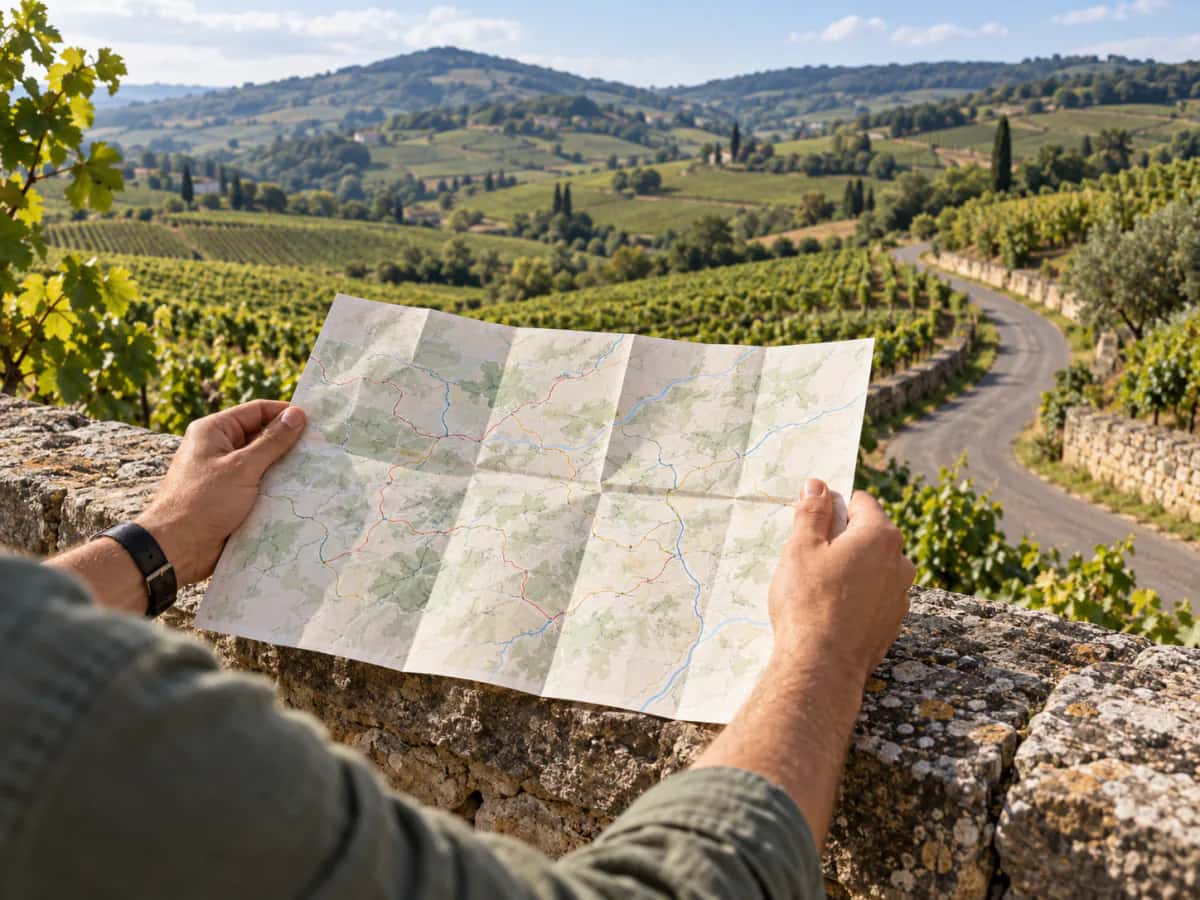
Base yourself in the south (around Villefranche-sur-Saône).
- Visit a Beaujolais-Villages producer
- Focus on understanding Gamay, not prestige
- End the day in a local bouchon-style restaurant
Day 2: the classic trio—with intention
Instead of rushing through crus, slow down:
- Fleurie → walk the vineyards (yes, actually walk them)
- Morgon (Côte du Py) → taste structured wines and ask about aging
- Moulin-à-Vent → compare different domaines if possible
Key idea: don’t just taste— compare.
Day 3: go off-script
This is where Beaujolais becomes memorable.
- Try Chiroubles early morning (light, altitude, silence)
- Or Régnié for something less expected
- Or simply revisit a producer you liked
Most people skip this step. It’s the one you’ll remember.
Booking tastings: the unwritten rules
Beaujolais is relaxed—but not disorganized.
A few realities:
- Many estates are family-run
- English is not always guaranteed
- Spontaneity exists—but shouldn’t be abused
What works best
- Email or call 2–3 days ahead
- Keep your schedule flexible
- Show genuine interest
What doesn’t
- Treating visits like appointments to “optimize”
- Asking only basic questions
- Rushing through tastings
The difference between a good visit and a great one often comes down to attitude.
Language isn’t optional—it’s a lever
Here’s the truth: you’ll get more out of Beaujolais if you speak even a little French.
Not because people don’t speak English—but because:
- Nuance gets lost
- Stories become shorter
- Conversations stay surface-level
Even a few phrases can change the dynamic completely.
If you’re planning multiple trips across France, taking time to learn French isn’t just practical—it transforms your access to the culture.
Beyond wine: where Beaujolais quietly shines
This is where most articles stay vague. Let’s be concrete.
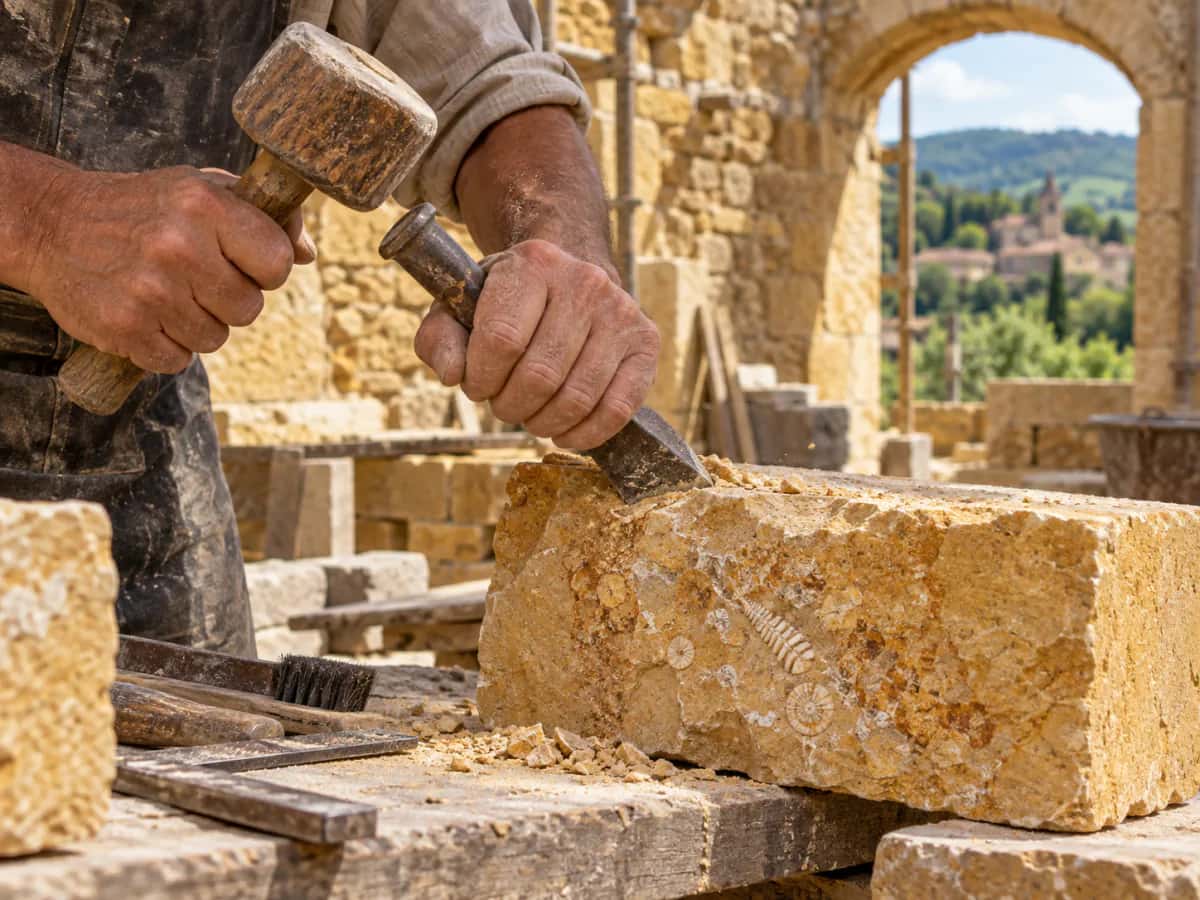
Oingt (Pierres Dorées)
- Golden stone village
- Best visited late afternoon
- Light hits the façades in a very specific way
Villié-Morgon
- Not “picturesque” at first glance
- But central, alive, and surrounded by serious vineyards
Local food worth stopping for
- Auberge du Cep (Fleurie) → traditional, precise
- Café du Centre (Villié-Morgon) → simple, local, no fuss
No Michelin theatrics—just food that works with wine.
Practical tips that actually matter
Skip the generic advice—focus on what changes your experience:
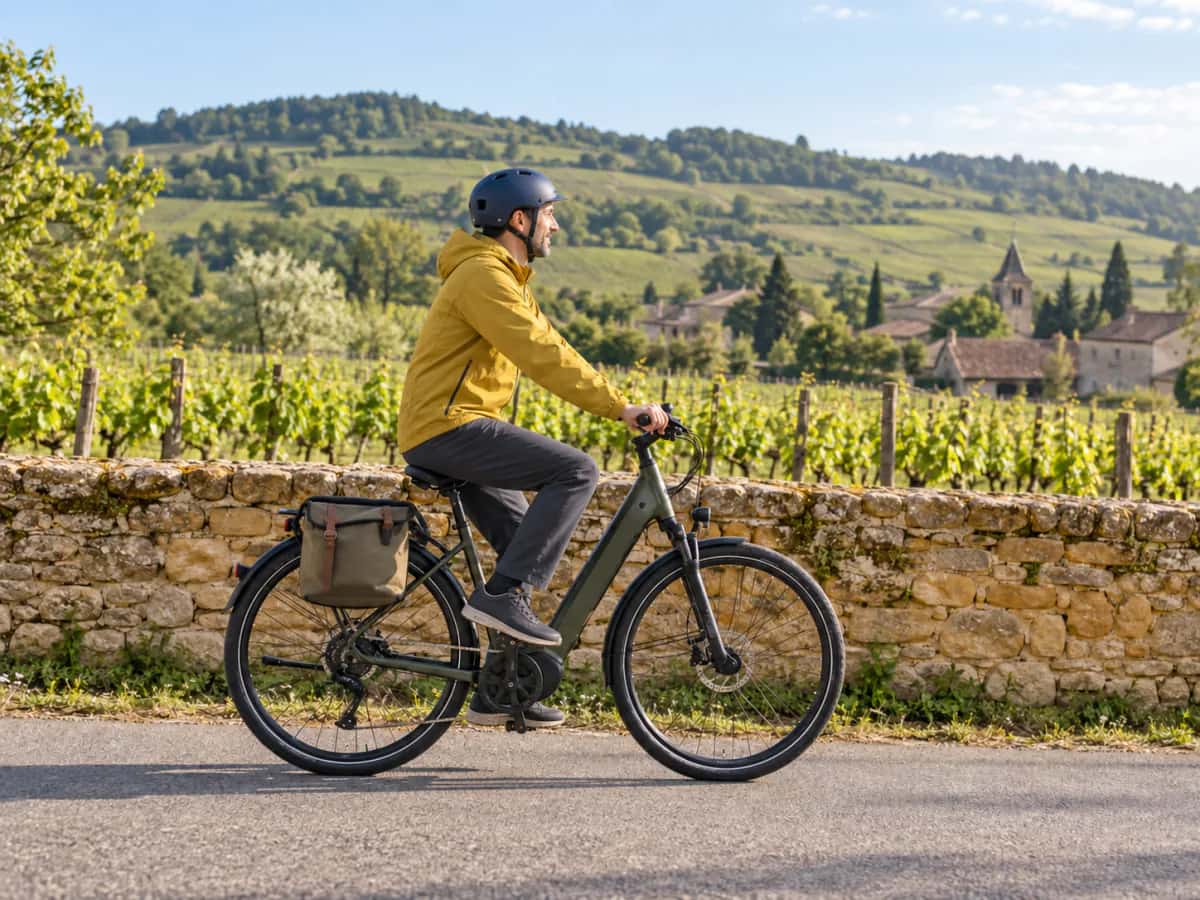
- Drive short distances → roads are slower than they look
- Don’t overbook → 2 visits/day is enough
- Taste less, pay more attention
- Buy wine you remember—not wine you think you should like
Beaujolais doesn’t try to impress you.
It doesn’t stage experiences, it doesn’t polish its image, and it doesn’t adapt itself too much to visitors.
And that’s exactly why it works.
If you approach it with curiosity instead of expectations, your first trip won’t just be about tasting wine.
It will be about understanding where it comes from—and why it feels different here.
Explore more Travel Guide stories and the complete Visit Beaujolais guide.