From California smoke to the high slopes of Beaujolais
Why California winemaker Jonathan Pey chose old vines and high slopes in Morgon and Fleurie—and why altitude is no climate guarantee.
Wildfire smoke and drought changed the questions Jonathan Pey asked of a vineyard. After more than two decades making wine in California, he began looking in France for old vines, rainfall and elevation. His search led to small parcels in Morgon and Fleurie. The move is a useful case study in climate-aware site selection, but not a story about escaping risk: altitude was one filter among several, not a guarantee of safety.
Smoke turned a harvest problem into a site-selection problem
Pey told the official Beaujolais wine body that smoke around the 2020 harvest was the decisive warning. In his account, September brought 35 smoky days and grapes affected badly enough to taste ashy. That figure is his recollection in an interview, not a regional meteorological measurement, but it explains why fire and drought stopped being abstract risks in his search.
His California career had covered more than one place and style. He and his late wife Susan built a Pinot Noir business in Marin County, then launched the Napa Cabernet label TEXTBOOK. By 2019, he had sold that larger label and begun researching vineyard opportunities in France. He was not simply swapping Cabernet for Gamay. He was reconsidering the vineyard conditions he wanted to work with.
A Beaujolais parcel had to meet four tests
The search combined old vines, elevation, rainfall and a grape variety Pey wanted to work with. Pey presented them as parts of one search rather than as a climate equation. Gamay gave the search an oenological direction instead of reducing it to altitude alone.
Beaujolais brought those criteria together without making them simple. The region's own overview describes terroir as an interaction among soil, topography, biodiversity, climate and farming practices. Pey's search led him to Morgon and Fleurie. That is a personal selection process, not evidence that every elevated Beaujolais parcel will outperform a lower one.
Bellevue and Fonfotin made altitude tangible
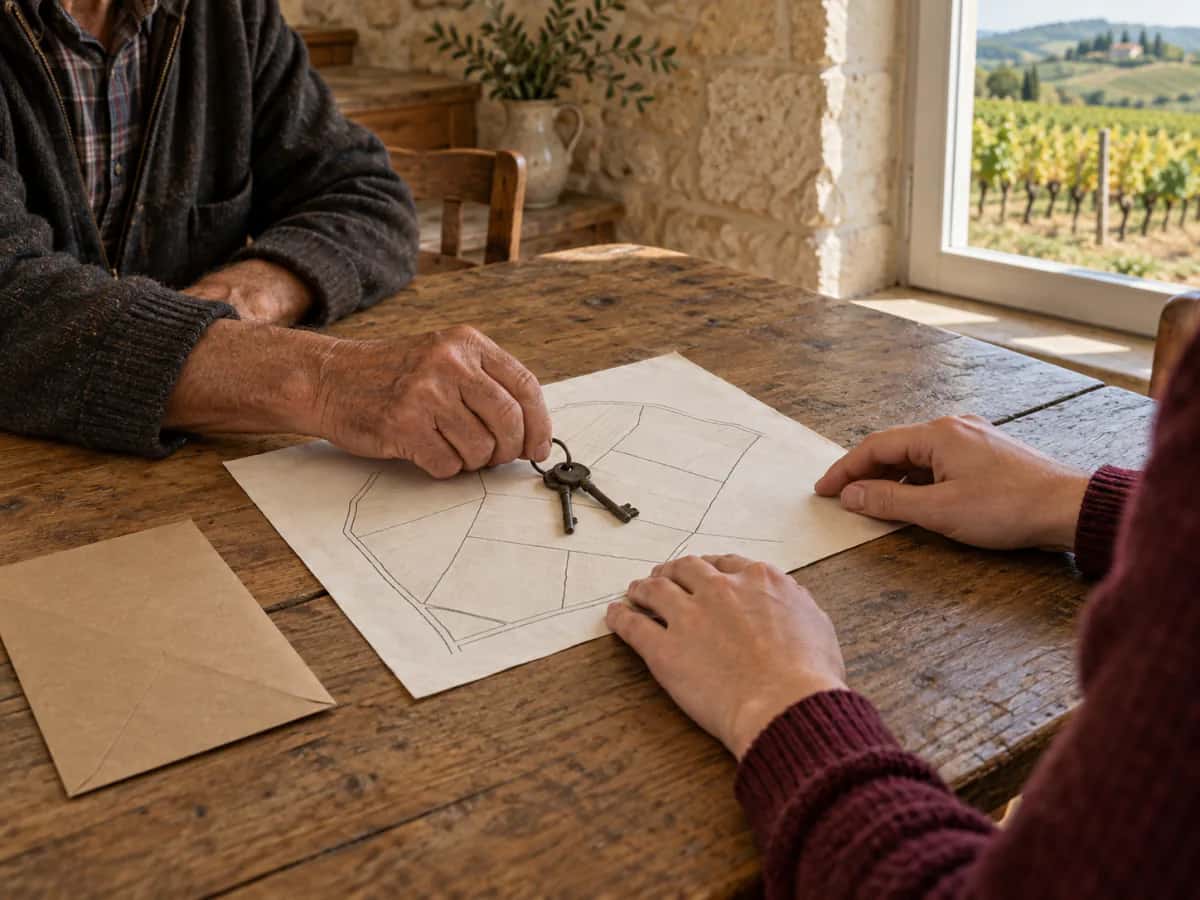
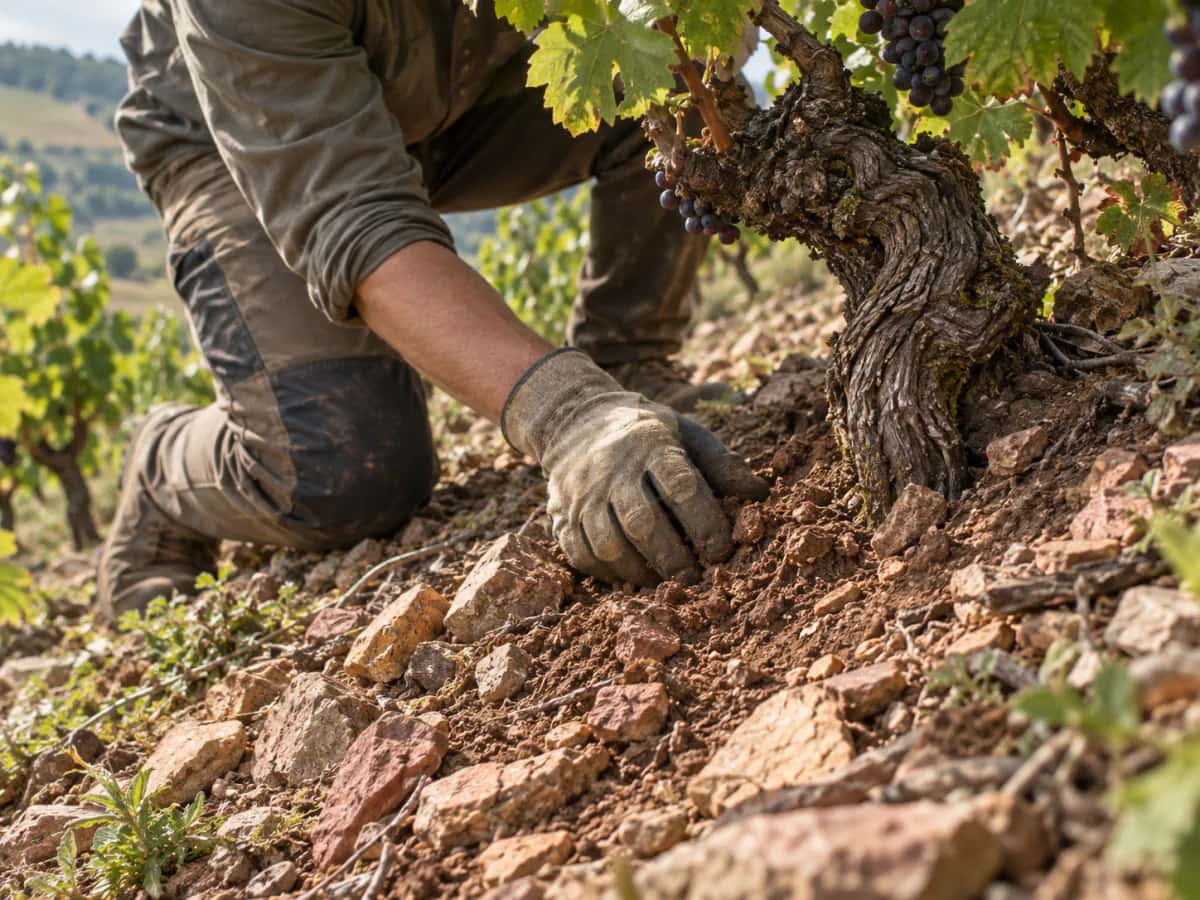
At the end of 2021, Pey bought Bellevue in Morgon, around 400 metres above sea level, and began working it in 2022. He added Fonfotin in Fleurie in 2023. The recent Beaujolais interview describes that second parcel as roughly 500 metres high and on a 45% slope; the producer's current English-language site gives the altitude as 460 metres. A 2022 INAO specification describes the Fleurie vineyard at roughly 200–450 metres. It does not present 450 metres as a standalone legal ceiling, and the available sources do not explain the discrepancy. The consistent point is that Fonfotin sits above Bellevue; the numbers should not be polished into false precision.
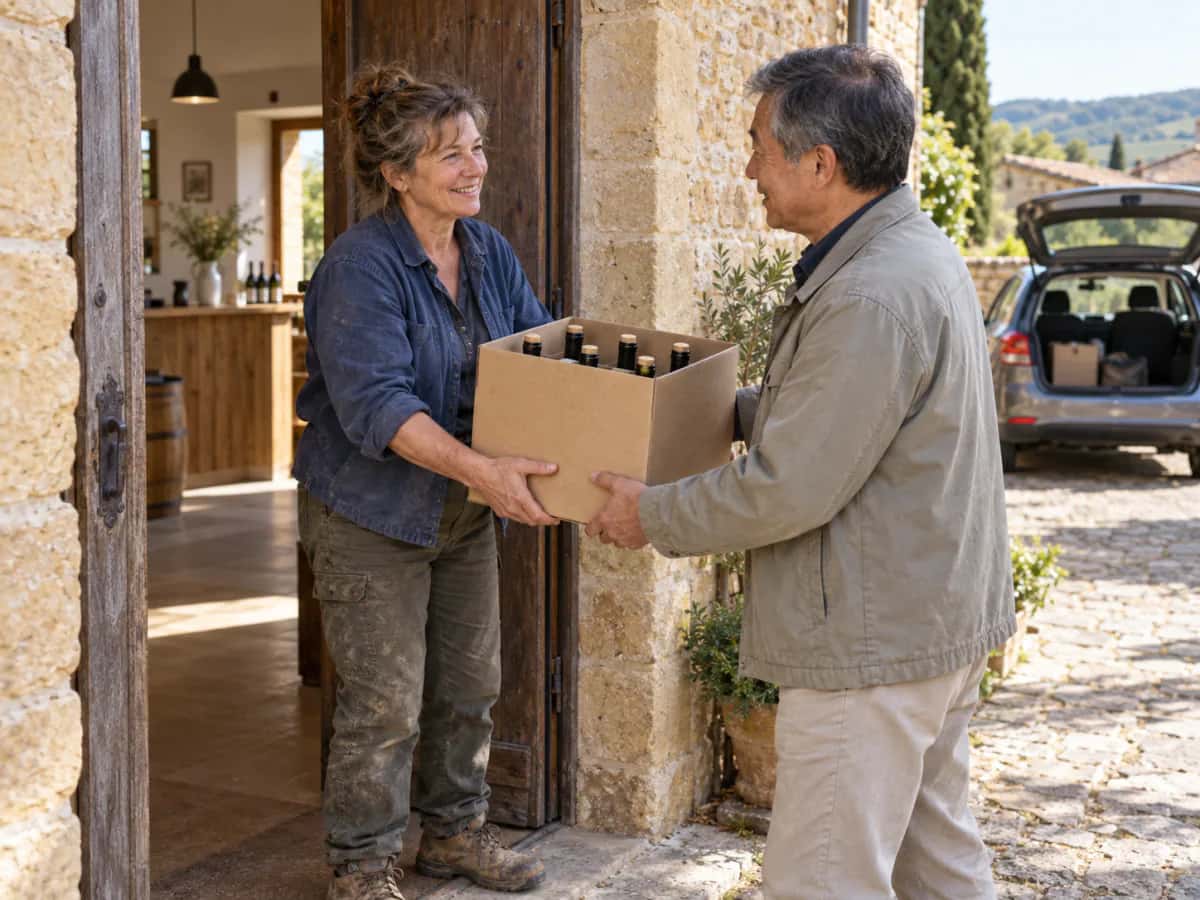
The two sites also demanded an operating model suited to a very small domaine. The interview puts the current holding at three hectares and says Pey works with a small team of contractors. He rents space in a friend's winery rather than presenting the project as a complete estate built overnight.
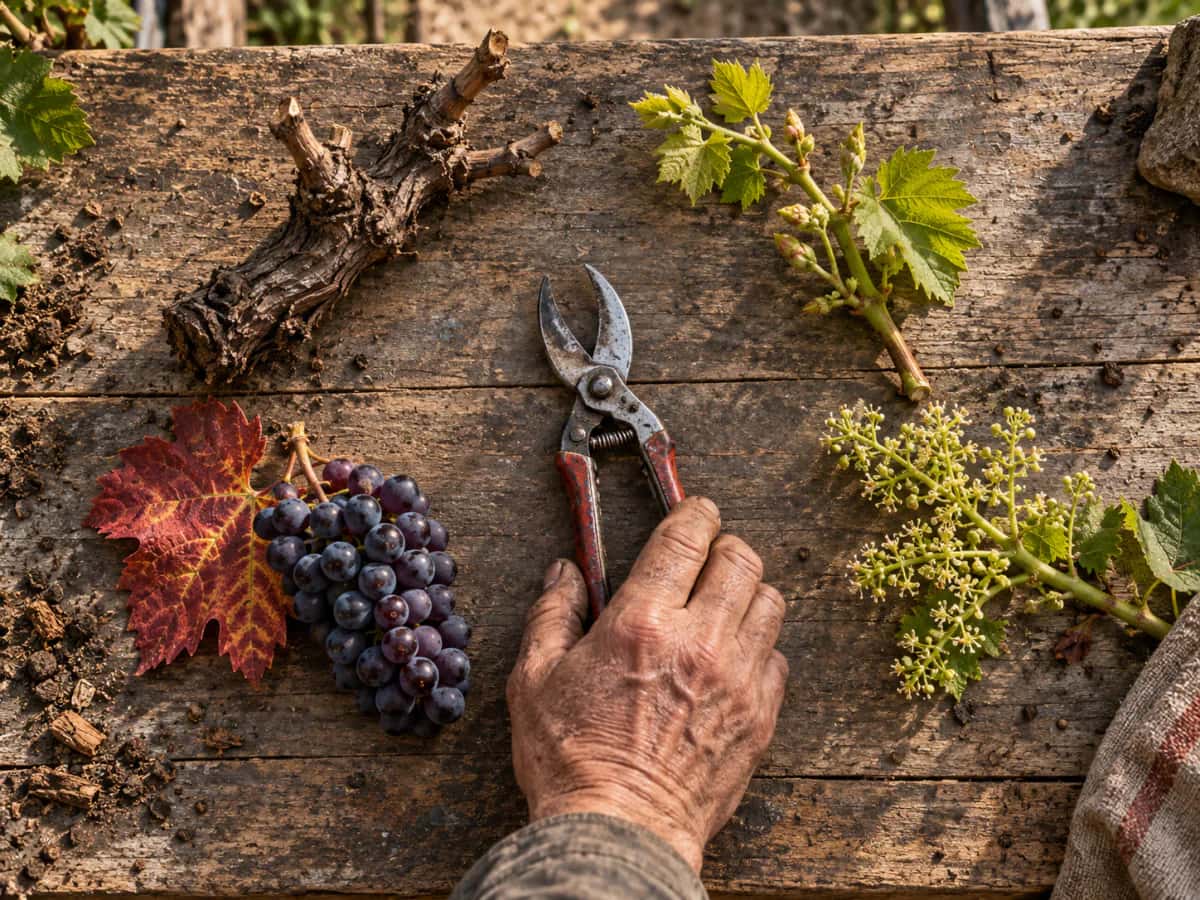
In the vines, he describes organic farming, manual work and horse cultivation whenever possible. These are practices reported by the producer, not independent proof of a particular certification status or a measured climate benefit.
High ground does not remove climate risk
Altitude was one of Pey's selection criteria. It cannot be read on its own. The Beaujolais region combines continental, oceanic and Mediterranean influences; its regional climate overview also notes spring frost, drying summer winds, extreme heat and sometimes destructive storms.
That matters to the way Pey's story is told. His move does not prove that Beaujolais is a refuge from warming, nor that Morgon and Fleurie are free of drought, hail or heat. His own vineyard page describes snow, hail, heavy rain, wind and intense summer sun on the same hills. Altitude changes the set of risks; it does not erase them. Soil, topography, climate and farming practices remain part of how a parcel responds in a given year.
The parcel, not the country, is the useful comparison
The documented contrast is concrete: Gamay from named Morgon and Fleurie sites, small-scale cellar arrangements, and the vineyard practices Pey describes for steep plots. His California experience remains part of the decision, but it does not establish a template for the finished wine.
For visitors and drinkers, the useful question is therefore not whether one country has replaced another. Ask what the individual parcel contributes. Bellevue and Fonfotin were chosen through a chain of criteria, then worked under the constraints of their own slopes. That makes altitude meaningful because it is attached to a place, a vine and a method—not because a number on a map promises climate security.
Resilience is still tested season by season
Jonathan Pey's move shows how a grower can turn climate anxiety into concrete site choices without pretending to remove climate risk. The high slopes of Morgon and Fleurie offered old vines, Gamay and conditions he wanted to explore. Their value will still be tested season by season, through the work required on each parcel and the wines those parcels produce.
Explore more Meet the Winemakers stories and the complete Vineyards and Producers guide.