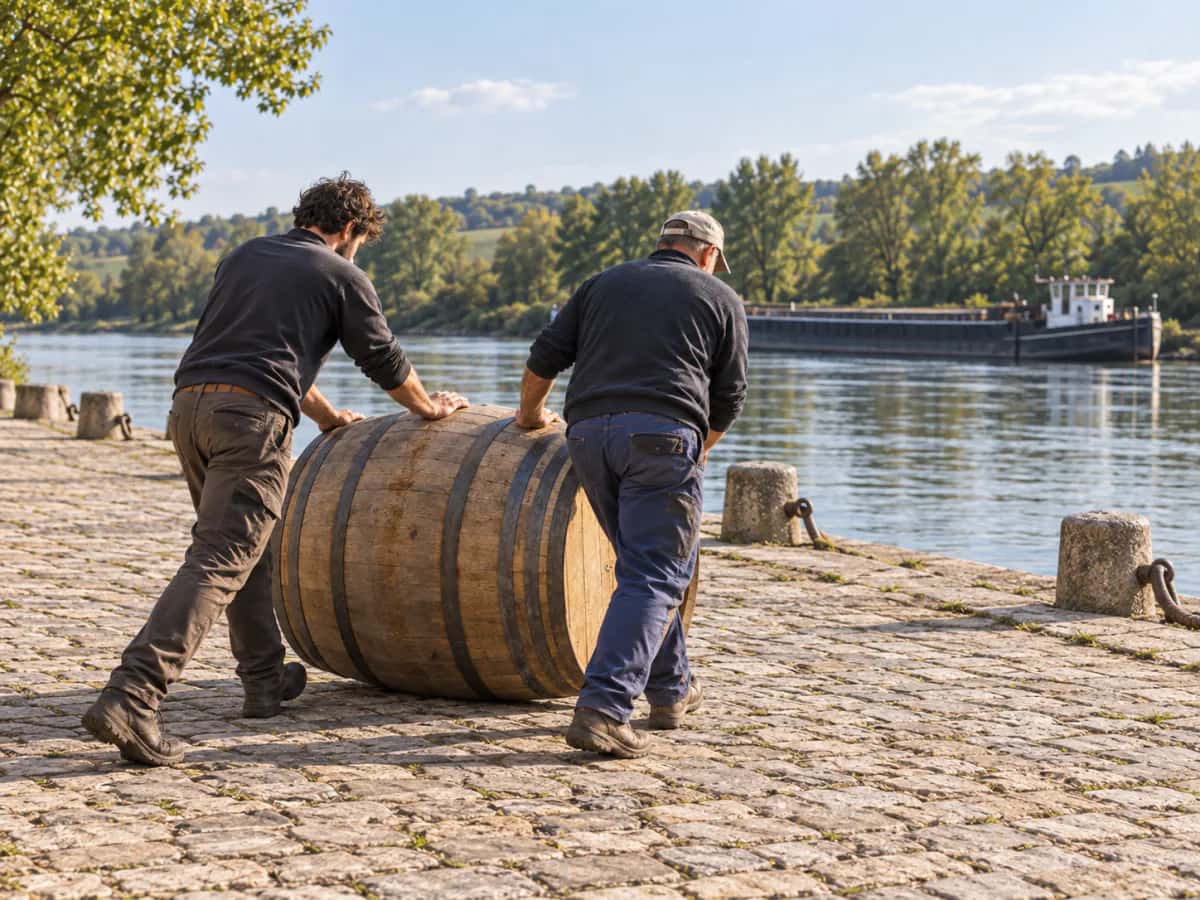
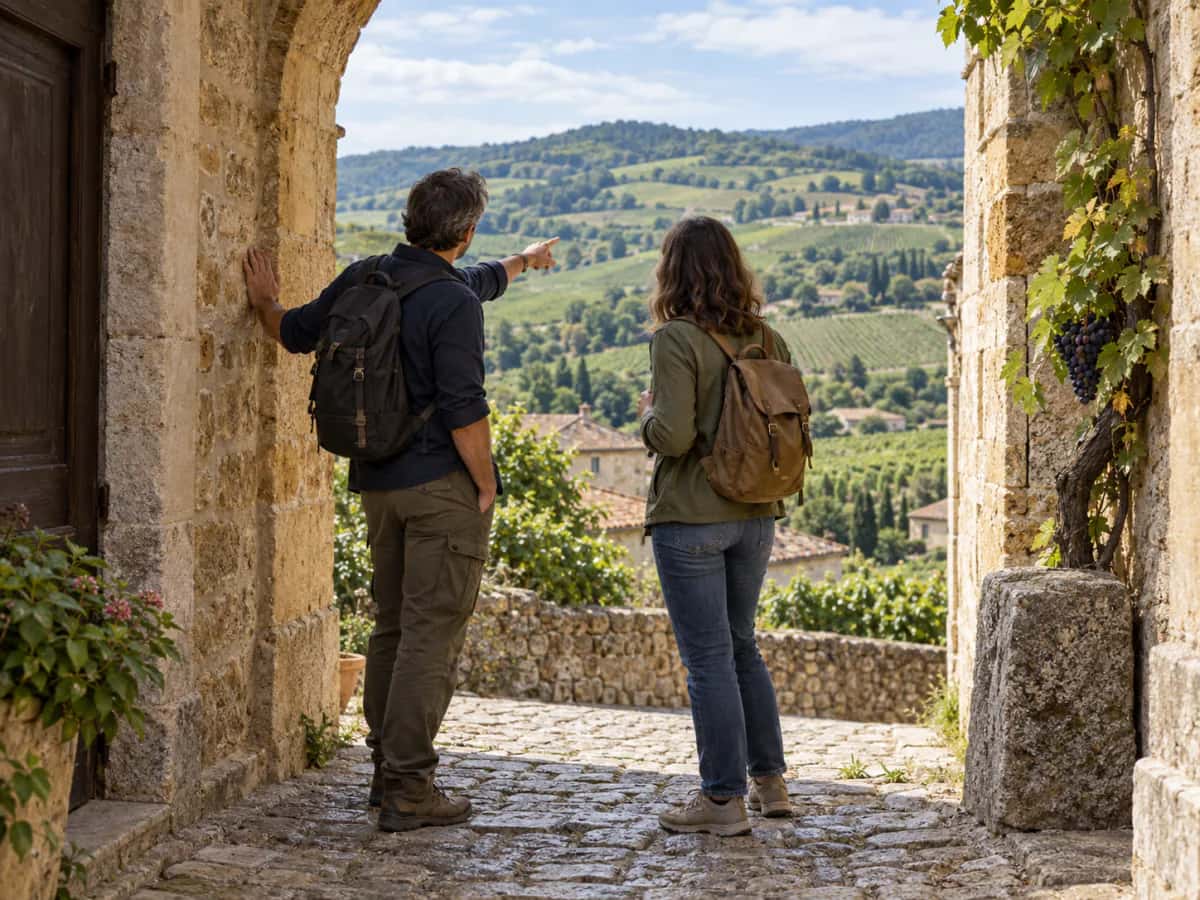
How Cluny’s monks shaped the vineyards of Beaujolais
Discover how the monks of Cluny transformed Beaujolais into a cornerstone of viticulture, blending faith, innovation, and respect for the land into a lasting legacy.
The Beaujolais region, celebrated for its approachable and expressive wines, owes much of its viticultural identity to the monks of Cluny.
These medieval pioneers were not only spiritual leaders but also agricultural innovators who left an indelible mark on the vineyards of this picturesque region.
The rise of Cluny and its influence
A monastic vision
Founded in 910 AD by Duke William I of Aquitaine, Cluny Abbey became a beacon of religious reform and cultural influence.
The monks followed the Rule of Saint Benedict, emphasizing work, prayer, and self-sufficiency. This dedication extended to managing vast agricultural estates, including vineyards.
Cluny’s influence spread rapidly across Europe, with hundreds of monasteries adopting its reforms. Many of these satellite abbeys were located in Burgundy and Beaujolais, where viticulture thrived under the monks' meticulous care.
The monks and their viticultural innovations
Mastering the land
The monks of Cluny were among the first to study the nuances of terroir—the interplay between soil, climate, and grape variety.
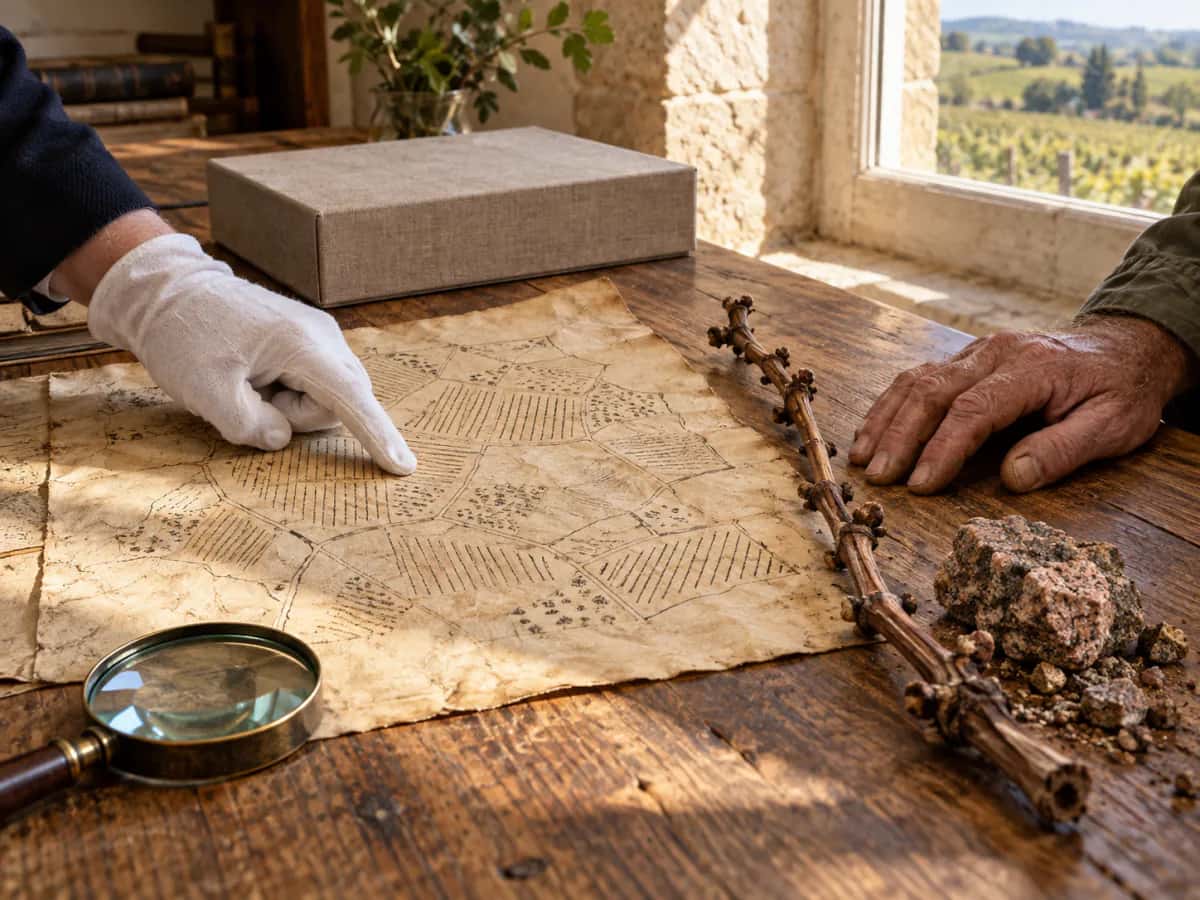
They identified the unique characteristics of Beaujolais’ granite-rich soils, perfect for cultivating Gamay Noir, the grape that still defines the region.
Their records detail careful vineyard management practices, from pruning to harvesting, ensuring optimal grape quality. These practices not only improved the wine but also laid the foundation for the region’s reputation as a center of high-quality viticulture.
Creating a lasting legacy
By refining techniques for fermentation and storage, the monks ensured the preservation and transport of wine over long distances.
This was particularly important as Beaujolais wines became sought after by neighboring regions and even across Europe.
Their careful stewardship of the land also meant that vineyards thrived for centuries, leaving a legacy still visible in today’s rolling hills.
The broader impact of Cluny’s monastic culture
Economic and spiritual connections
Wine was not just an agricultural product; it was central to medieval life. The monks used wine for religious sacraments, particularly the Eucharist, ensuring that its production was treated with reverence.
Beyond the monastery, wine served as a vital trade good, fostering economic ties between the abbey and its surrounding communities.
Cluny’s economic power allowed it to reinvest in local agriculture, bolstering the prosperity of the region. Many villages in Beaujolais trace their roots to lands cultivated under monastic supervision.
Cultural footprints
The monks also acted as guardians of tradition, recording their knowledge and passing it on to future generations.
This cultural exchange helped establish Beaujolais as a distinctive wine region, defined by craftsmanship and respect for the land.
Cluny’s enduring legacy in Beaujolais
While the power of Cluny Abbey began to decline in the late Middle Ages, its influence endures in the vineyards of Beaujolais. The careful balance of tradition and innovation that the monks championed still resonates in the practices of modern winemakers. Their understanding of terroir and devotion to quality remain at the heart of the region’s identity.
For visitors to Beaujolais today, the legacy of Cluny can be experienced not only in the wine but also in the historic sites and landscapes that echo this unique monastic history.
The monks of Cluny were more than spiritual guides; they were stewards of the land, pioneers of viticulture, and architects of a cultural legacy that lives on in every glass of Beaujolais wine.
Their story is a testament to how devotion to both faith and craft can shape a region for centuries to come.
Explore more History of the Beaujolais Region stories and the complete About guide.